Facts about Malawi
Malawi is a landlocked southeastern African country dominated by a long rift lake. Lilongwe is the capital, while Blantyre is another major city. Lake fishing, maize farming and highland landscapes connect communities whose music, language and daily food traditions extend across neighbouring borders.
- Capital
- Lilongwe
- Currency
- Malawian kwacha (MWK)
- Language
- English; Chichewa and other languages
Geography of Malawi
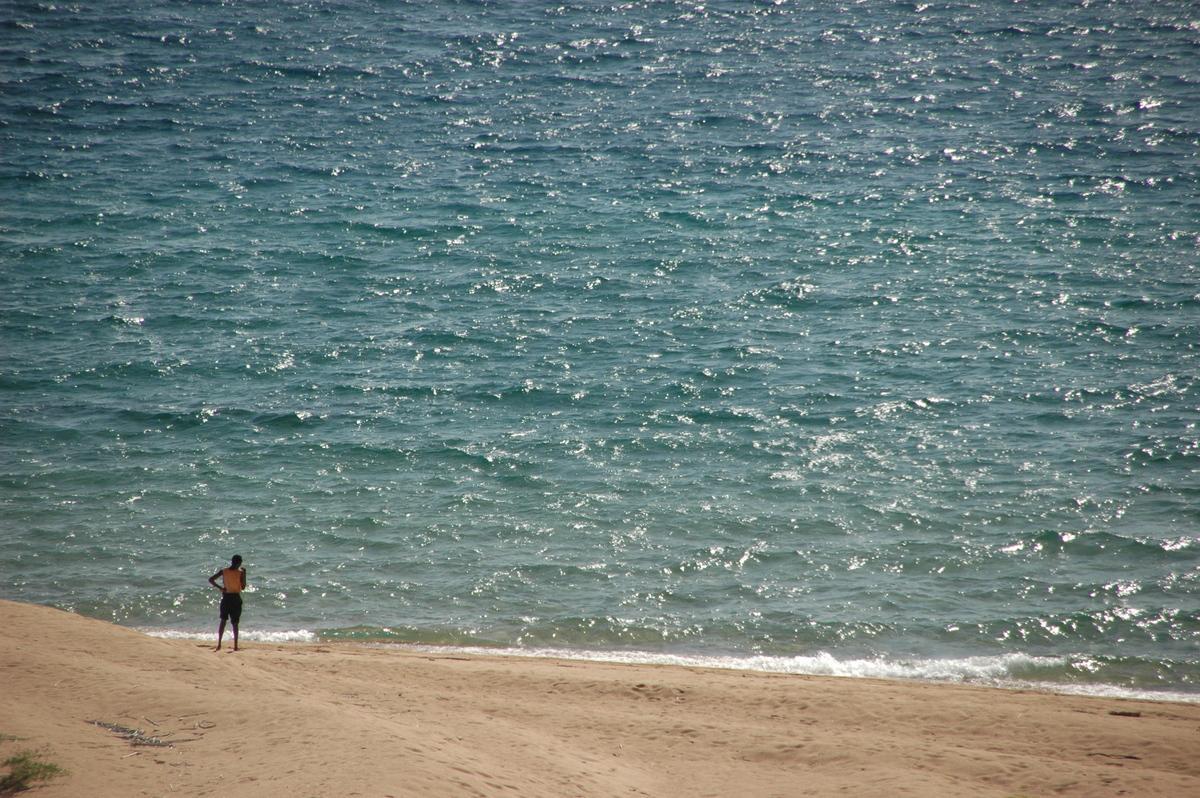
Lake Malawi occupies much of the country's eastern edge, beside rift escarpments and plateaus. The Shire River flows south from the lake. Mount Mulanje and the Nyika Plateau offer highland landscapes very different from the warmer lakeshore.
- Which river drains Lake Malawi?
- The Shire River, flowing south from the lake toward the Zambezi system.
History of Malawi
Maravi states and regional trade preceded British colonial administration as Nyasaland. Malawi became independent in 1964. A long period under Hastings Banda was followed by multiparty politics in the 1990s, changing the country's political institutions.
Languages of Malawi
English has official administrative roles, while Chichewa is widely spoken in everyday life. Tumbuka, Yao and other languages are important in different communities. Closely related languages and speaking populations extend beyond Malawi into neighbouring countries.
Culture of Malawi
Gule Wamkulu is a masked performance tradition associated with Chewa communities and recognised by UNESCO. Music, dance and oral storytelling have many other regional forms. Shared cultural practices connect Malawi with Zambia and Mozambique across modern borders.
Economy of Malawi
Agriculture supports many livelihoods, with tobacco, tea and sugar among important export crops. Small farms produce maize and other food. Rainfall, transport and overseas prices affect household income, while lake fishing contributes food and employment in shoreline communities.
Politics of Malawi
Malawi is a republic with a president and a National Assembly. Multiparty elections replaced one-party rule in the 1990s. Agricultural policy, public services and the accountability of national institutions are recurring political questions in a largely rural country.
Nature and wildlife of Malawi
Lake Malawi contains a remarkable variety of cichlid fish, many with small local ranges. Nyika's grasslands and Mulanje's uplands support different species. Conservation also includes restoring wildlife in protected areas and managing pressure on forests and fisheries.
- Why is Lake Malawi famous for its fish?
- It has an exceptional variety of cichlids, including many species found only within the lake.
Food of Malawi
Nsima is a thick maize porridge served with vegetables, beans, fish or meat. Its preparation and shared consumption carry cultural meanings recognised by UNESCO. Lake fish, including different local species, connects familiar meals with shoreline livelihoods.
- What is nsima?
- A thick maize porridge served with accompaniments such as vegetables, beans, fish or meat.
Landmarks of Malawi
Lake Malawi National Park preserves part of the lake's natural heritage. Chongoni's rock art records different cultural traditions in the central uplands. Mount Mulanje rises dramatically above southern farming country, while the Nyika Plateau has rolling highland grasslands.
People and society of Malawi
Chewa, Tumbuka, Yao, Lomwe and other communities contribute distinct languages and regional histories. Many people live in rural settlements, while Lilongwe and Blantyre attract migrants. Religious life, extended families and farming link communities across the country's narrow territory.