Facts about Burundi
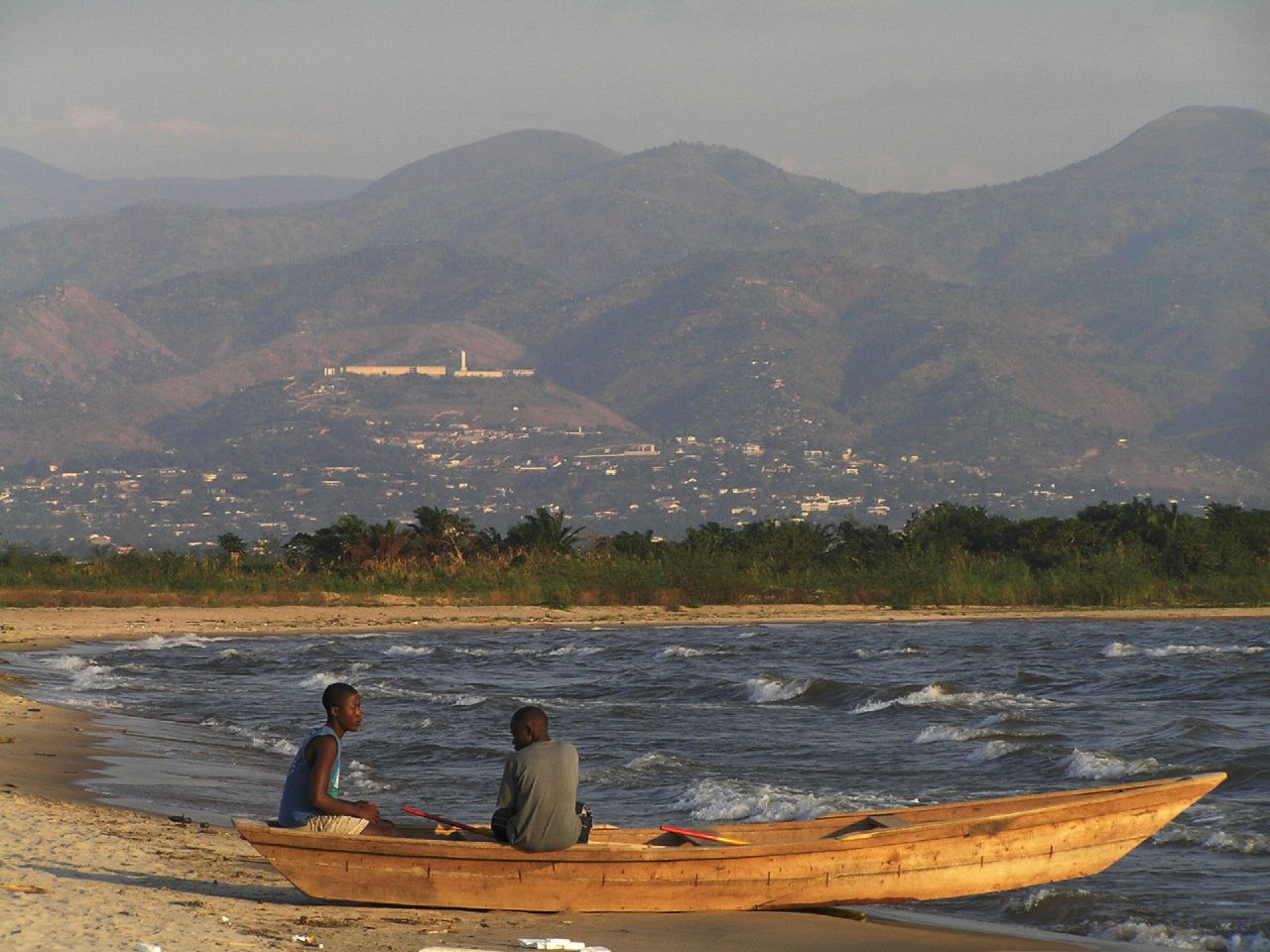
Burundi connects the royal heritage of Gitega, the Congo–Nile highlands and the fishing communities of Lake Tanganyika. Explore sixteen cities and towns, eight rivers and lakes, twelve selected sights and ten illustrated topics.
- Capital
- Gitega
- Political capital
- Gitega
- Economic capital
- Bujumbura
- Currency
- Burundian franc (BIF)
- National language
- Kirundi
- Highest point
- Mount Heha · 2,684 m
- Independence
- 1 July 1962
Burundi · 0 of 20 rounds passed
Two timed rounds per topic, 20 seconds a question
Bujumbura anchors the western lake plain; Gitega is the inland political capital. Cibitoke and Bubanza orient the northwest, while Kayanza, Ngozi and Kirundo lead through northern country. Muyinga, Cankuzo and Ruyigi introduce the east. Muramvya and Karuzi connect the interior; Rutana, Makamba, Bururi and Rumonge lead south and back to Tanganyika.
Follow the Rusizi from Lake Kivu to Tanganyika, or the Ruvubu and Akanyaru through the Kagera system towards Lake Victoria. Whole lakes and available named river courses remain visible across national borders. Learn about living royal drum heritage, forest habitats and the difference between Gitega’s political role and Bujumbura’s commercial role.
Geography of Burundi
A highland divide between the Congo and Nile basins.
- Which countries border Burundi?
- Rwanda, Tanzania and the Democratic Republic of the Congo.
- Which lake borders the southwest?
- Lake Tanganyika, shared with DR Congo, Tanzania and Zambia.
- Where do Burundi’s eastern waters go?
- Through the Kagera system towards Lake Victoria and the Nile.
More about Burundi: geography
Burundi is a landlocked country in Africa’s Great Lakes region. Rwanda lies to the north, Tanzania to the east and south, and DR Congo to the west across the Rusizi River and Lake Tanganyika. A steep rise from the western lake plain leads to high ridges and a rolling central plateau. Mount Heha, at about 2,684 metres, is the highest point. Gitega lies inland; Bujumbura occupies the northeastern shore of Tanganyika.
The Congo–Nile divide crosses the highlands. Western waters reach Tanganyika and the Congo basin; the Ruvubu and Akanyaru belong to the Kagera–Lake Victoria branch of the Nile basin. The Rutovu headwaters are one distant source of this river network, rather than an uncontested single beginning of the Nile. The water map follows complete available river courses and whole shared lakes, continuing into neighbouring countries.
History of Burundi
A kingdom, colonial rule and a difficult path to peace.
- What was a mwami?
- A king of Burundi.
- When did Burundi become independent?
- On 1 July 1962.
- What did the 2000 Arusha agreement establish?
- A framework for peace, reconciliation and power sharing.
More about Burundi: history
The Kingdom of Burundi developed long before European colonial rule. Its monarch, the mwami, exercised authority through royal institutions and local chiefs; sacred drums expressed kingship. German rule incorporated the region into German East Africa. Belgium occupied it during the First World War and later administered Ruanda-Urundi under international mandate and trusteeship. Prince Louis Rwagasore, an independence leader, was assassinated in 1961.
Burundi became independent on 1 July 1962 as a monarchy. A military coup abolished the monarchy in 1966. Subsequent decades included mass atrocities, repression and displacement; the assassination of elected president Melchior Ndadaye in 1993 was followed by civil war. The 2000 Arusha agreement established a framework for peace and power sharing, although armed conflict did not end immediately. These histories require attention to political choices and victims, rather than explanations based on supposedly timeless ethnic hostility.
Languages of Burundi
Kirundi connects communities across the country.
- What is Burundi’s national language?
- Kirundi, also called Rundi.
- How is Kirundi related to Kinyarwanda?
- They are closely related Bantu languages.
- Which lessons are linked here?
- French and Swahili; a dedicated Kirundi course is not yet available.
More about Burundi: language
Kirundi, also called Rundi, is Burundi’s national language and is widely shared across Hutu, Tutsi and Twa communities. It belongs to the Bantu branch of the Niger–Congo family and is closely related to Kinyarwanda. Noun classes and agreement prefixes are important to its grammar. Oral storytelling and proverbs, including imigani, carry knowledge across generations. A common greeting is “Amahoro”, meaning peace.
Article 5 of the 2018 Constitution names Kirundi as the national language and provides for other official languages through legislation. French has a longstanding administrative and educational role; English is also used in education and regional affairs. Swahili is used in trade, particularly around Bujumbura and the lake. The linked French and Swahili lessons are introductions to those languages. Worldly does not yet offer a Kirundi course; Kinyarwanda is a related language, not a substitute name for Kirundi.
Culture of Burundi
Royal drumming, oral literature and living arts.
- What did UNESCO recognise in 2014?
- The ritual dance of the royal drum as intangible cultural heritage.
- What is Gishora known for?
- Its drum sanctuary and royal drumming heritage.
- Are all Burundian cultural practices identical?
- No; practices vary across communities and change over time.
More about Burundi: culture
The ritual dance of the royal drum combines powerful percussion, singing and movement. UNESCO inscribed it on the Representative List of the Intangible Cultural Heritage of Humanity in 2014. Historically, drums were connected to royal authority and major ceremonies; the sacred royal karyenda should not be confused with the leading inkiranya drum of a performance ensemble. Gishora, near Gitega, is an important place for learning about this heritage.
Storytelling, praise, poetry, basketry and dance belong to a wider cultural life that also includes contemporary music and urban arts. Intore is a dance tradition associated with martial display. Cattle have had important social and symbolic roles, alongside farming and other livelihoods. Christianity is widely practised, with Muslim communities and other beliefs also present. Customs vary by household and community; one performance or craft does not stand for everyone.
Economy of Burundi
Farming, coffee, tea and connections to regional markets.
- Which agricultural exports are important?
- Coffee and tea.
- What currency is used?
- The Burundian franc (BIF).
- Why does transport matter?
- Burundi is landlocked and depends on regional routes and ports for trade.
More about Burundi: economy
Agriculture supports many Burundian households. Farmers grow beans, bananas, cassava, maize and other food crops, while coffee and tea are important agricultural exports. Tea grows in highland landscapes such as Teza. Small plots, soil erosion and changing rainfall can affect harvests and household security. The Burundian franc, abbreviated BIF, is the national currency.
Bujumbura is the main commercial centre and a port on Lake Tanganyika. Roads and lake transport connect this landlocked economy to regional markets, while long journeys to seaports add costs. Services, trade and mineral resources also matter. World Bank reporting describes significant poverty and infrastructure constraints; a country’s people should not be reduced to a changing income ranking. Access to electricity, education, finance and reliable transport affects the opportunities available to households and businesses.
Politics of Burundi
Two capitals and institutions shaped by peace agreements.
- Which city is the political capital?
- Gitega; Bujumbura remains the economic capital.
- What are the two parliamentary chambers?
- The National Assembly and the Senate.
- How many provinces replaced the former eighteen?
- Five, under the reorganisation implemented in 2025.
More about Burundi: politics
Gitega became Burundi’s political capital in 2019; Bujumbura remains its economic capital and largest commercial centre. Burundi is a presidential republic with a National Assembly and Senate. The 2018 Constitution describes the institutions and power-sharing provisions, including representation of Hutu, Tutsi and Twa citizens. The five-province reorganisation implemented in 2025 replaced the former eighteen provinces. The city map shows settlements, not administrative divisions.
The Arusha peace framework remains central to understanding contemporary politics. Pierre Nkurunziza’s disputed bid for a third term in 2015 sparked a political crisis. Évariste Ndayishimiye won the 2020 presidential election and took office after Nkurunziza died. Human rights reporting documents restrictions on civic space and opposition activity alongside the formal constitutional system. Burundi joined the East African Community in 2007, connecting its diplomacy and economy to regional integration.
Nature & Wildlife of Burundi
Montane forest, river wetlands and an ancient rift lake.
- Which forest park meets Rwanda’s Nyungwe?
- Kibira National Park.
- What habitats does Rusizi protect?
- River and delta wetlands near Lake Tanganyika.
- Which fish group is particularly diverse in Tanganyika?
- Cichlids, including many species found only in the lake.
More about Burundi: nature & wildlife
Kibira National Park protects montane forest on the Congo–Nile divide and adjoins Rwanda’s Nyungwe forest. Chimpanzees and other forest wildlife occur there. Ruvubu National Park follows the eastern river valley through savanna and woodland, while Rusizi National Park protects wetland habitats near the river’s entry into Lake Tanganyika. These are different ecosystems rather than interchangeable safari landscapes.
Tanganyika is an ancient, very deep freshwater lake with many endemic fish, especially cichlids. Its fisheries support communities in four countries. Forest clearance, erosion, pressure on wetlands and warming waters affect habitats and livelihoods. Conservation depends on local needs as well as protected areas. Burundi’s coat of arms features a lion, spears and a shield; a crowned crane does not appear on it.
Food & Cuisine of Burundi
Beans, bananas, stiff porridge and lake fish.
- What commonly accompanies porridge?
- Beans, vegetables or sauce.
- What are ndagala?
- Small fish from Lake Tanganyika, often sold dried.
- Are meals the same throughout Burundi?
- No; ingredients and recipes vary by place, household and season.
More about Burundi: food & cuisine
Beans, cooking bananas, cassava, sweet potatoes and maize feature in Burundian meals. A stiff flour porridge, often called ubugali or ugali, can accompany beans, vegetables or sauce. Ingredients and recipes vary by region, season and household. The photograph shows a meal in Burundi; it is one example rather than a fixed national menu.
Lake Tanganyika provides fish including mukeke, a local name used for a lake perch, and ndagala, small fish often dried for storage and sale. Brochettes are sold in urban eating places. Banana and sorghum drinks have roles in some social occasions, while tea and coffee connect consumption with agricultural production. Fishing pressure and household resources affect what is available, so descriptions of everyday food should leave room for different experiences.
Landmarks of Burundi
Drum sanctuaries, waterfalls and places of remembrance.
- Where did Livingstone and Stanley first meet?
- At Ujiji in present-day Tanzania, not at Mugere.
- Are the Gitega boma and National Museum the same building?
- No; they are separate sites.
- Does a Tentative List entry equal World Heritage inscription?
- No; it is a proposal for possible future nomination.
More about Burundi: landmarks
Gishora’s drum sanctuary and Gitega’s National Museum introduce royal heritage and material culture. They are separate from the German-era boma in Gitega, a former colonial administrative building. Karera waterfalls lie in the southeastern country near Rutana, while the Rutovu monument marks a distant Nile headwater. The monument is not proof that the Nile has one universally agreed source.
The Mugere rock south of Bujumbura records a visit by Livingstone and Stanley after their first meeting at Ujiji in present-day Tanzania. Bujumbura’s Unity Monument and Rwagasore mausoleum provide different perspectives on national history and remembrance. Burundi has places on UNESCO’s Tentative List, but as checked in October 2026 it has no inscribed World Heritage property. The royal drum tradition belongs to UNESCO’s separate intangible heritage system.
People & Society of Burundi
Shared language, varied lives and connections beyond borders.
- Which language connects many communities?
- Kirundi.
- What did Marguerite Barankitse found?
- Maison Shalom, supporting children and communities affected by conflict.
- What is Francine Niyonsaba known for?
- International athletics, including an Olympic silver medal.
More about Burundi: people & society
Hutu, Tutsi and Twa communities contribute to Burundi’s society, sharing Kirundi across social identities. Colonial rule and later political struggles hardened categories that should not be presented as biological divisions. Twa people have faced longstanding exclusion and discrimination. Rural communities remain central to national life, while Bujumbura and regional towns connect farming areas with markets, schools and services.
Burundians abroad maintain family, cultural and professional ties with the country. Musician Khadja Nin, athlete Francine Niyonsaba and humanitarian Marguerite Barankitse illustrate different fields of achievement. Barankitse founded Maison Shalom to support children and communities affected by conflict. Individual experiences cannot be inferred from ethnicity or occupation; livelihoods, education, language use and migration histories differ across families and generations.