Türkiye in 19 days
A first trip you could take for real, day by day from Hagia Sophia down the Aegean coast and across Anatolia to the oldest temples on Earth, with a question at every stop. Answer as you travel and get your score at the end.
Some 85 million people live in Türkiye, a country that spans Europe and Asia, and Hittites, Greeks, Romans and Ottomans all built their cities here.
This is a first trip you could book as it stands: 19 days from Istanbul down the Aegean and along the Turquoise Coast, then across Anatolia to the oldest temples on Earth. Each stop ends with a question, and your score is waiting at the end.
Land in Istanbul, home to more than 15 million people and the only great city that sits on two continents. Give the first days to the old city on foot, then ride a ferry across the Bosporus from Europe to Asia for the price of a tram ticket.
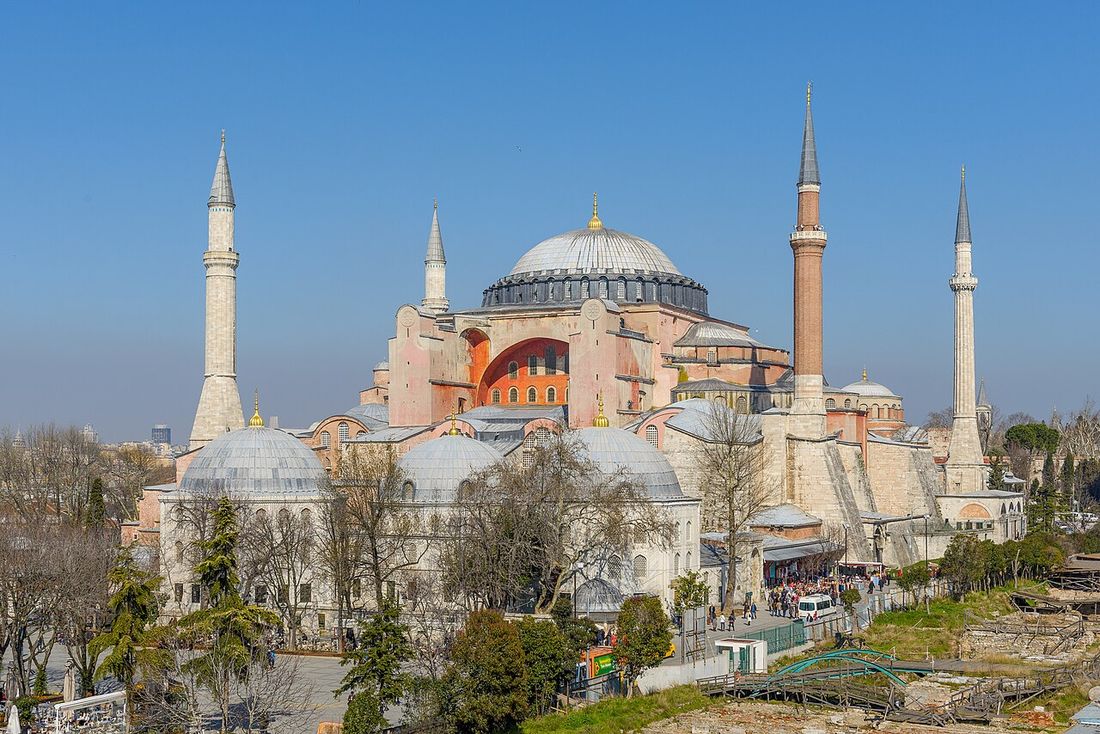
On Sultanahmet Square, Hagia Sophia and the Blue Mosque face each other across a garden. Hagia Sophia served as a church for nearly a thousand years and then as a mosque, and it welcomes visitors outside prayer times. Keep an afternoon for the Grand Bazaar, trading since 1461.
Question 1 of 11
Hagia Sophia was finished in 537 as the greatest church of its age. Which emperor built it?
Pick an answer to see how you did.
Take the bus southwest along the Sea of Marmara and over the 1915 Çanakkale Bridge, which opened in 2022 with the longest span of any suspension bridge in the world. On the Çanakkale waterfront stands the wooden horse from the 2004 film Troy.
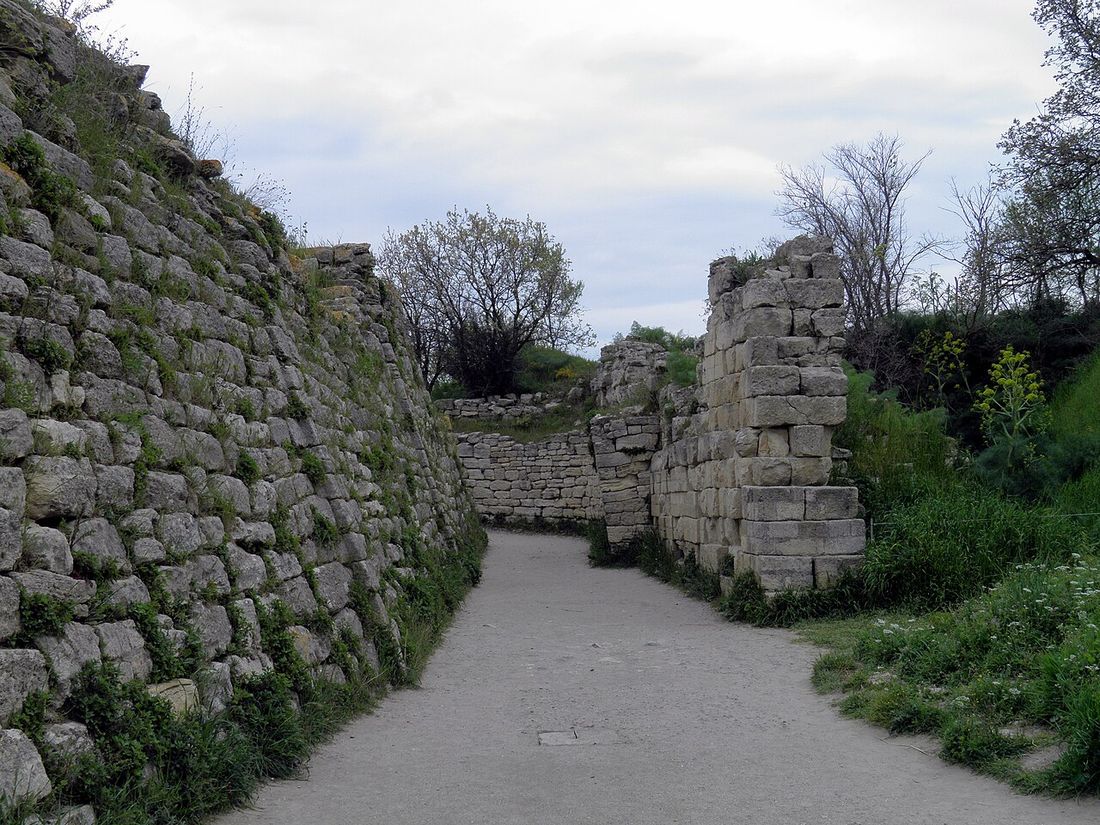
Troy lies just south of town, on a low hill above the plain where Homer set the Iliad. Walk the ramparts and the ramp up to the citadel, then climb into the replica wooden horse at the entrance.
Question 2 of 11
The hill at Troy is not one city but many, each built on the ruins of the last. How many have archaeologists counted?
Pick an answer to see how you did.
Pick up a rental car in Çanakkale and drive south down the Aegean coast through olive groves to Selçuk. Book two nights, so you can reach the ruins in the cool of the morning before the tour buses arrive.
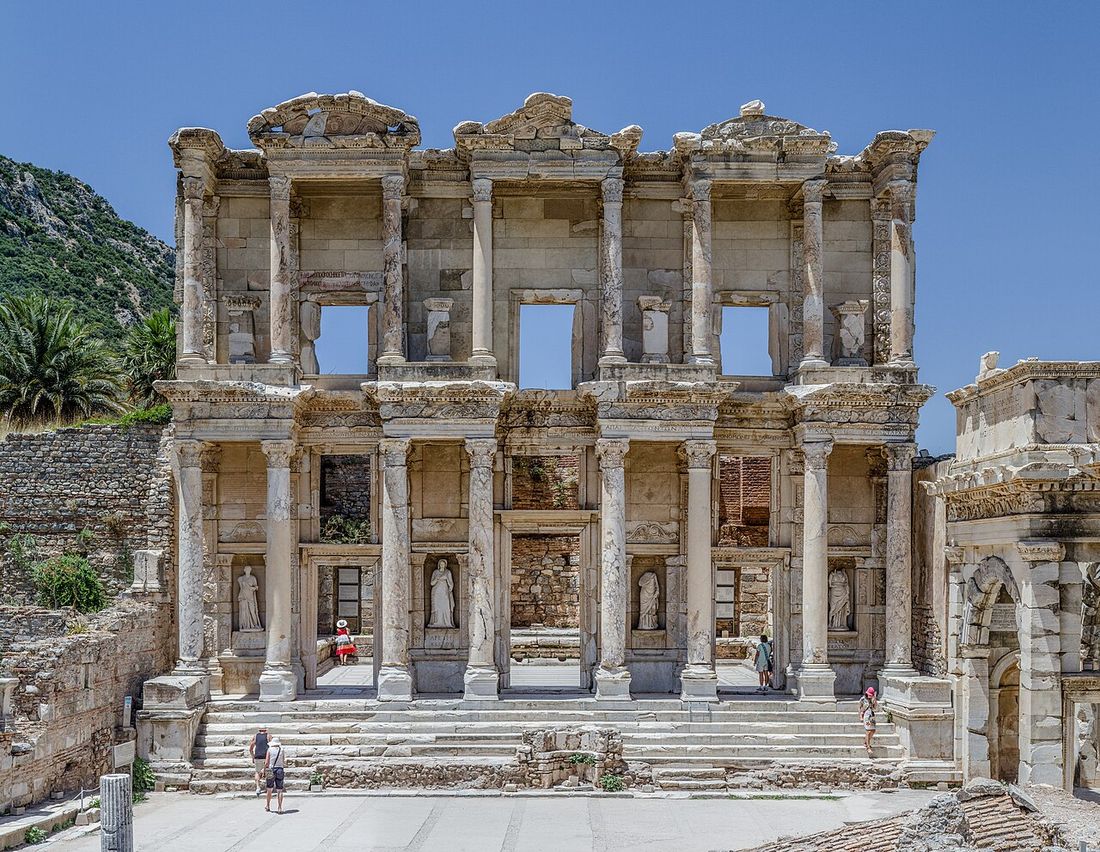
Ephesus was one of the great cities of the Roman Empire, and you still walk its marble streets past the Great Theatre to the Library of Celsus, built by a son as a library and a tomb for his father. In the evening, drive up to the hill village of Şirince for its fruit wines.
Question 3 of 11
Ephesus was home to one of the Seven Wonders of the Ancient World. Which one?
Pick an answer to see how you did.
Drive inland up the valley of the Büyük Menderes, the river the Greeks called the Maeander, which gave English the word meander. Ahead, a whole hillside above the village of Pamukkale glows white.
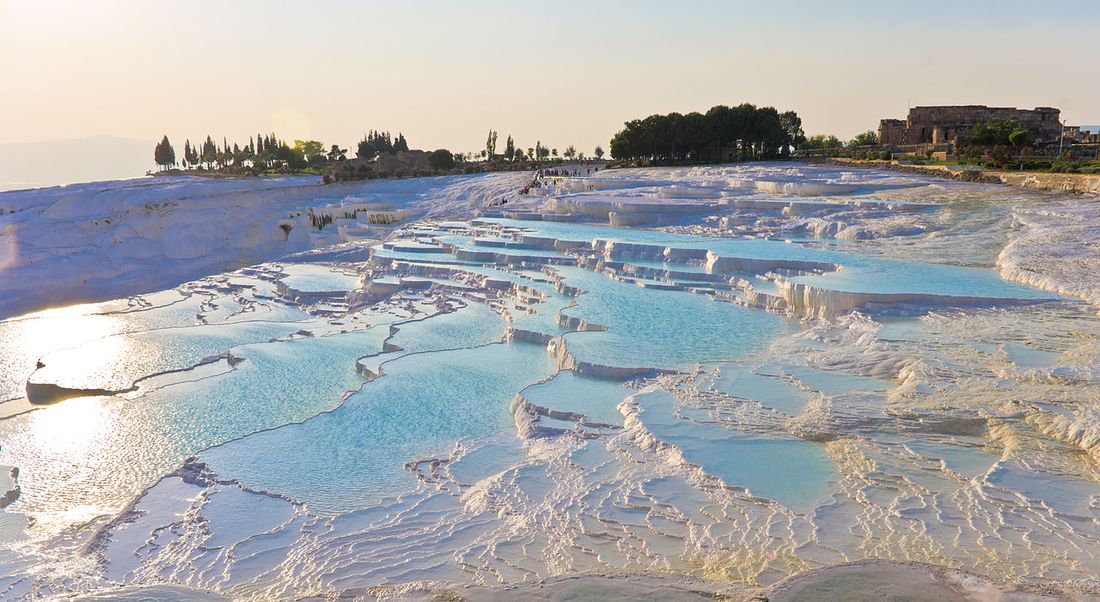
Leave your shoes at the gate and walk up the warm terraces barefoot to Hierapolis, a Roman spa town at the top. Swim in the Antique Pool among fallen marble columns, then stay for sunset over the valley.
Question 4 of 11
What does the name Pamukkale mean in Turkish?
Pick an answer to see how you did.
Head south to the Turquoise Coast. At Ölüdeniz the pines come right down to a sheltered lagoon so calm that its name means dead sea, and a long beach curves away beside it.
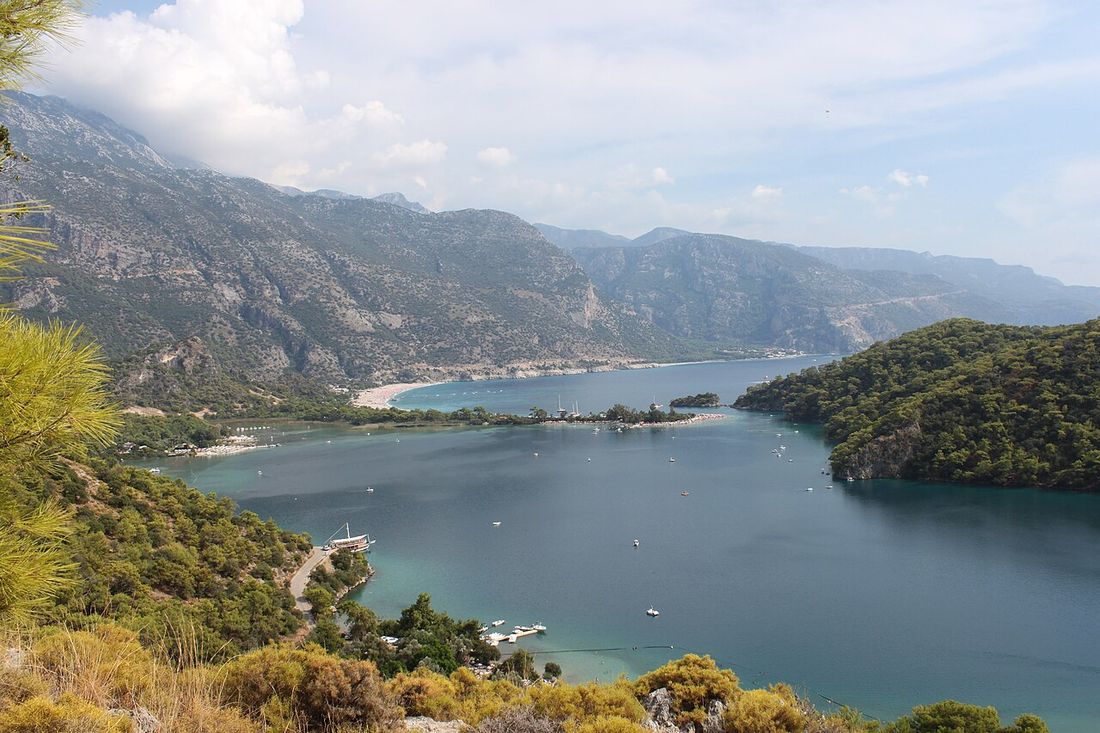
The Lycian Way, a walking trail along this whole coast, begins here. Take a boat to Butterfly Valley, a hidden beach between cliffs, or walk the first hour of the trail for the view back over the lagoon.
Question 5 of 11
Ölüdeniz is famous for tandem flights from Babadağ down to the beach. How do visitors fly?
Pick an answer to see how you did.
Follow the coast road east through Kaş and Kalkan, and stop for a swim at Kaputaş Beach below the cliffs. In Demre, the ruins of ancient Myra have tombs cut into the rock above a Roman theater, and an old church holds the tomb of the town’s most famous bishop.
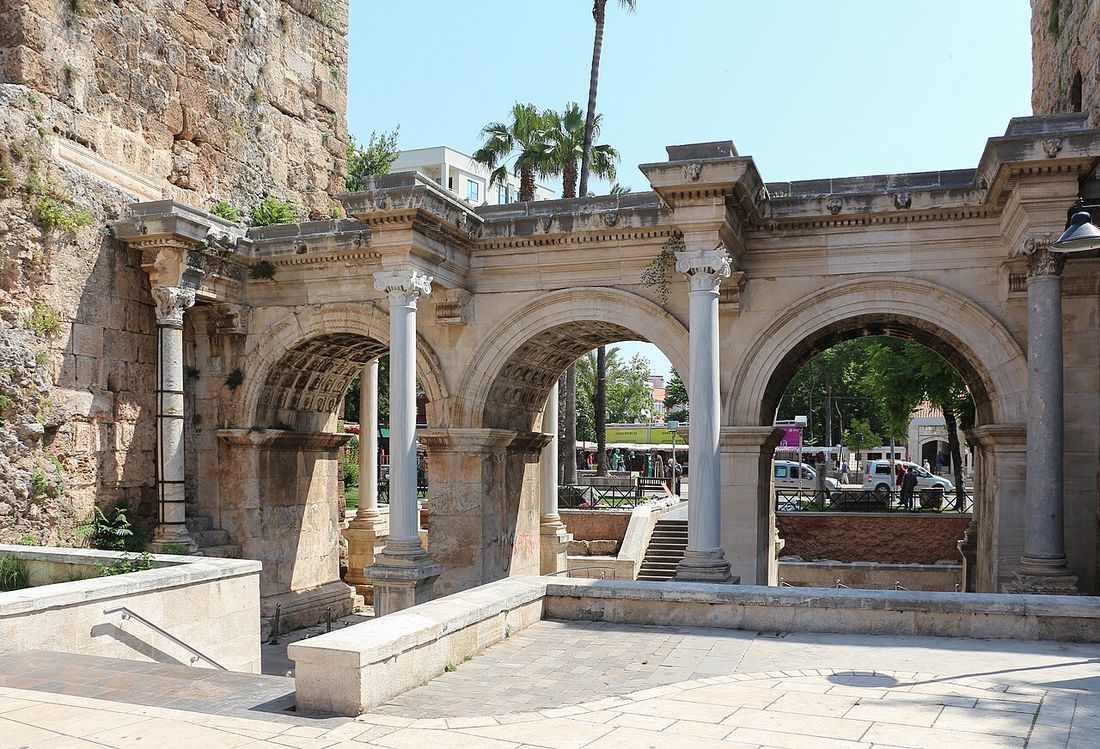
In Antalya, enter the old town of Kaleiçi through Hadrian’s Gate, built for the emperor’s visit in 130. Lanes of Ottoman houses lead down to the old harbor, and the Antalya Museum holds one of the finest collections of Roman statues anywhere.
Question 6 of 11
On the coast road you pass Demre, the ancient city of Myra. Which saint was its bishop in the 4th century?
Pick an answer to see how you did.
Drive north over the Taurus Mountains onto the high plain of central Anatolia. Konya was the capital of the Seljuk Turks in the 1200s, and the mosques and colleges they built still stand in the center.
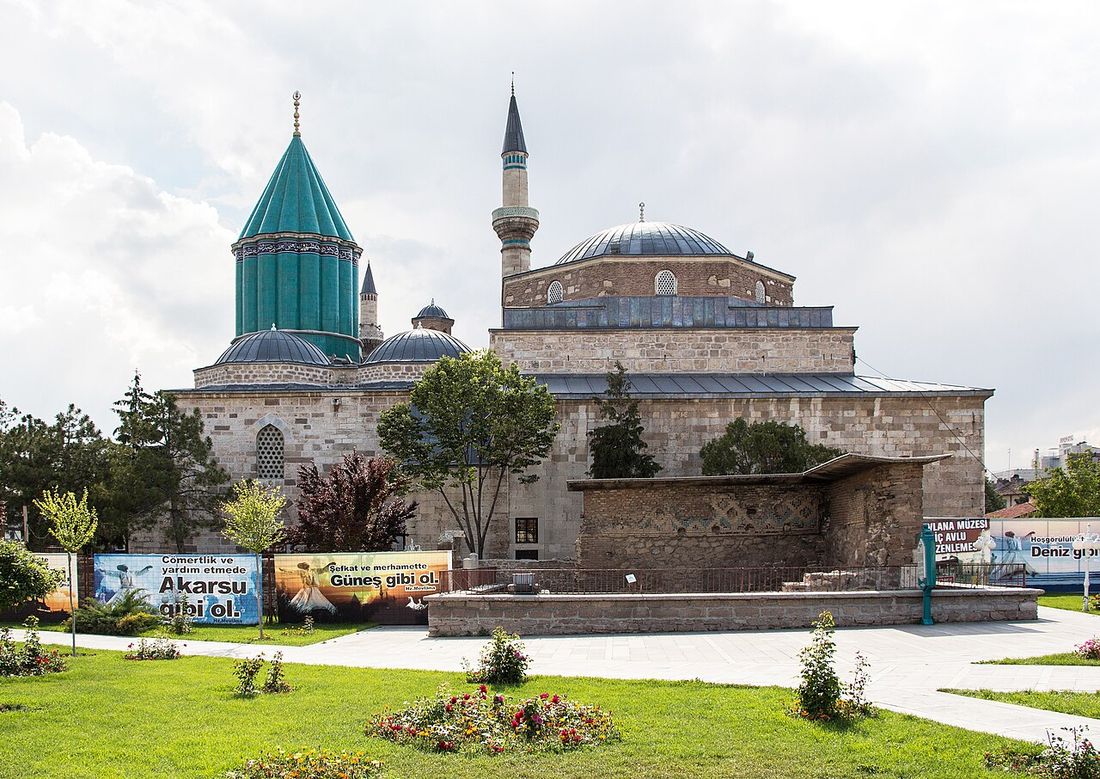
The green-tiled dome of the Mevlana Museum rises over the tomb of Rumi, the 13th-century poet whose verses are read around the world. For lunch, order etli ekmek, a long, thin flatbread baked with minced meat, which Konya claims as its own.
Question 7 of 11
Rumi, the poet buried in Konya, inspired a famous ceremony. Which one?
Pick an answer to see how you did.
Drive north across the steppe of the Anatolian plateau to Ankara, the capital. The Museum of Anatolian Civilizations lines up the whole story of the trip in one building, from the first farmers to the Hittites and Romans.
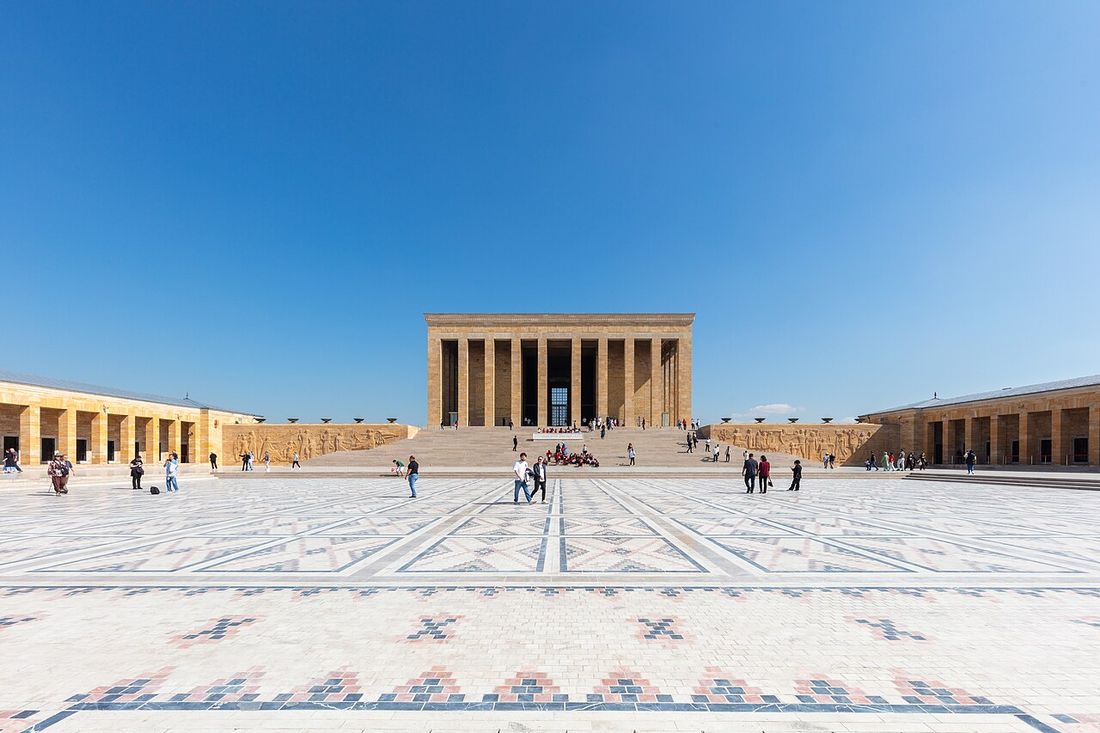
On a hill above the city, Anıtkabir is the mausoleum of Mustafa Kemal Atatürk, who led the War of Independence and founded the Republic. An avenue lined with stone lions leads up to a vast square paved in the patterns of Turkish carpets.
Question 8 of 11
In what year did Ankara become the capital of Türkiye?
Pick an answer to see how you did.
Head southeast past the white salt flats of Lake Tuz, the second largest lake in the country, which dries to a crust you can walk on in summer. By afternoon the road reaches Cappadocia, a land of valleys and rock towers that locals call fairy chimneys.
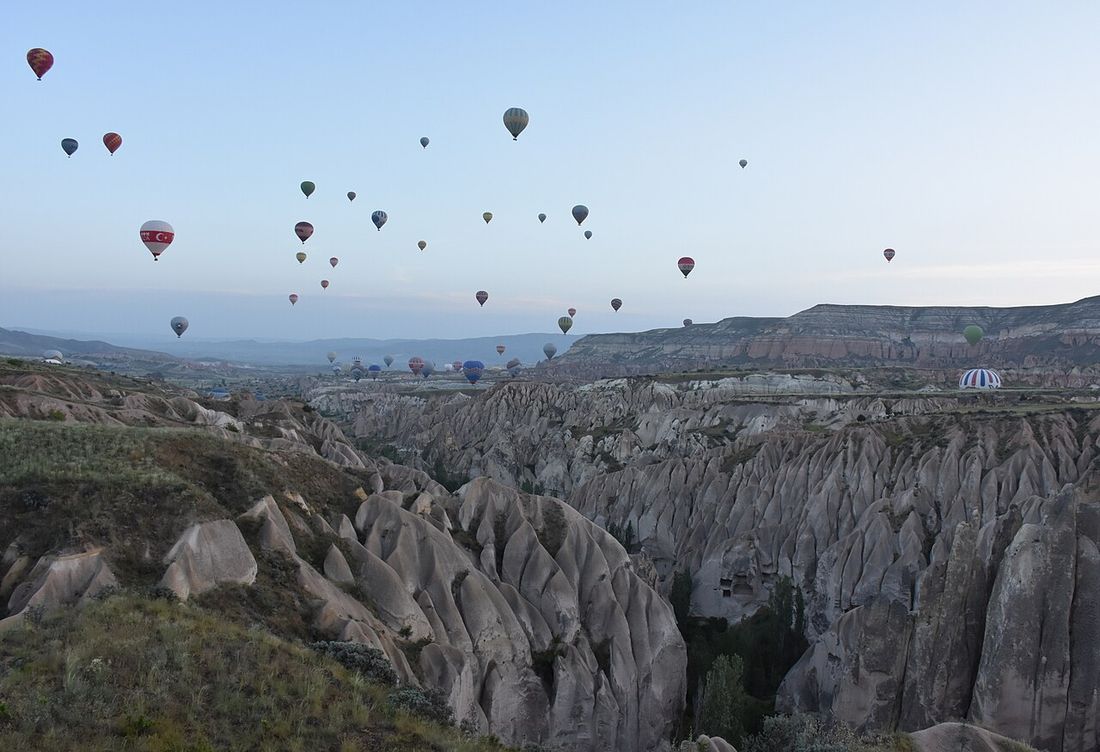
The rock here is volcanic ash, soft enough to carve, and for centuries people carved their homes and churches into it. Sleep in a cave hotel in Göreme and walk to the painted churches of the Open-Air Museum. For dinner, try testi kebab, cooked in a clay pot that is broken open at the table.
Question 9 of 11
Why do the balloons over Cappadocia take off around sunrise?
Pick an answer to see how you did.
Leave Cappadocia after a last morning balloon and drive east past Kayseri and the apricot orchards of Malatya to the village of Karadut, at the foot of Mount Nemrut. Arrive by late afternoon and walk the last stretch up to the summit for sunset.
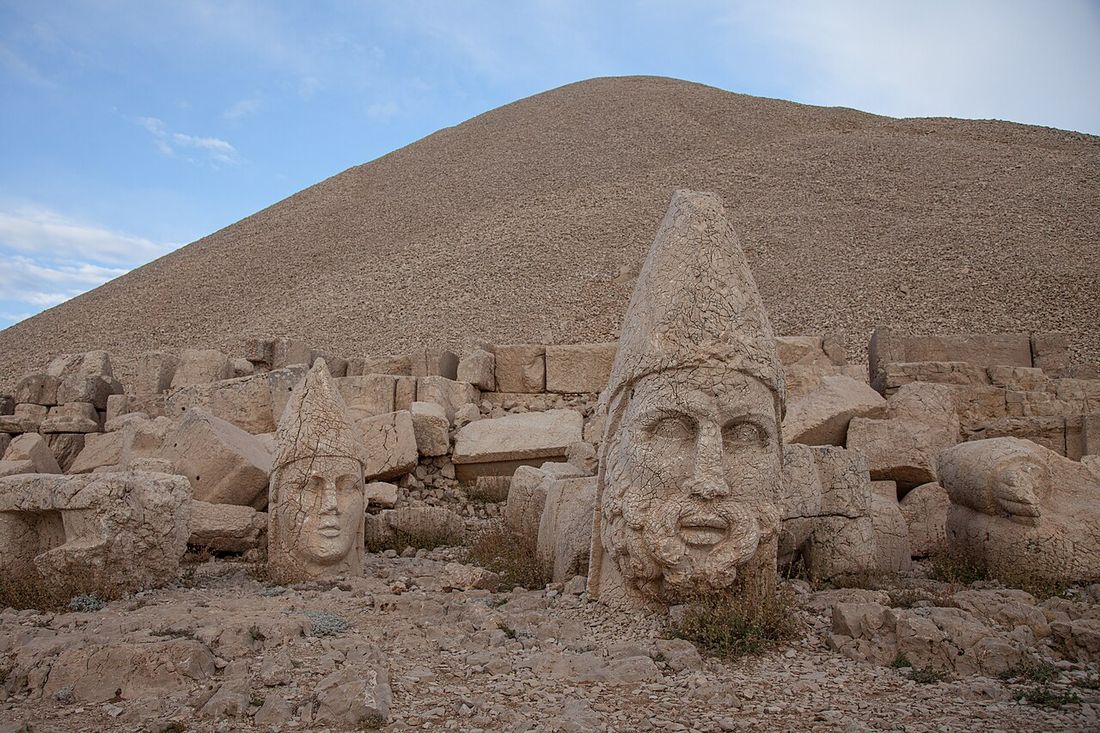
Some 2,000 years ago a king built his tomb on this peak, under a mound of loose stones, and lined the terraces around it with giant statues of himself and the gods. Sleep in Karadut, and if you can face another early start, climb back up for sunrise over the eastern terrace.
Question 10 of 11
The giant stone heads on Mount Nemrut guard the tomb of which king?
Pick an answer to see how you did.
Drive down from the mountain and across the Euphrates to Şanlıurfa, the city of prophets, at the northern edge of ancient Mesopotamia. At Balıklıgöl, pilgrims feed the sacred carp in the pool where, in local tradition, the fire meant for Abraham turned to water and its burning logs to fish.
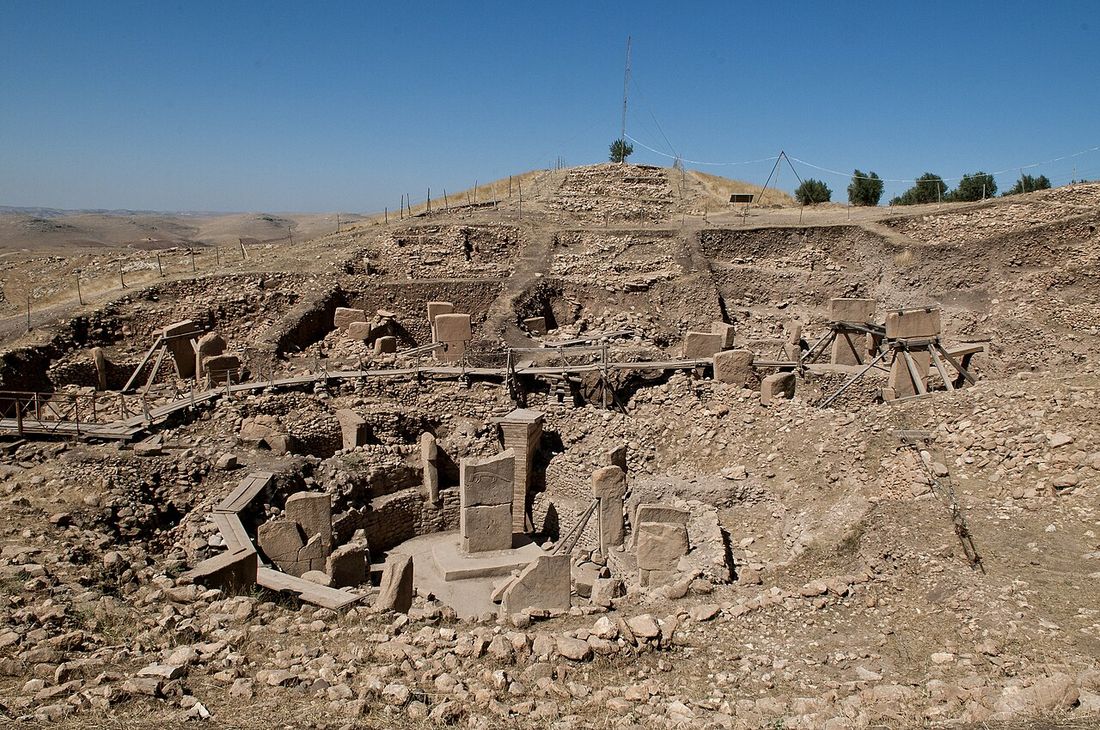
Half an hour out of town, Göbekli Tepe crowns a hill above the plain. Its rings of T-shaped pillars, carved with foxes, boars, snakes and vultures, are the oldest known temples in the world. Back in the city, the museum shows the Urfa Man, the oldest life-size statue of a person ever found.
Question 11 of 11
About how old are the carved stone pillars of Göbekli Tepe?
Pick an answer to see how you did.
That was 19 days from the Bosporus to Mesopotamia. The green valleys of the Black Sea coast and the mountains of the east are still waiting for the next trip.
Time to see how you did.
0 of 11
You have not answered any questions yet. Scroll back up, and there is one waiting at every stop.
- Hagia SophiaDays 1–3 · IstanbulNot answered yet
- Walls of TroyDay 4 · TroyNot answered yet
- Library of CelsusDays 5–6 · EphesusNot answered yet
- Travertine terracesDay 7 · PamukkaleNot answered yet
- Blue LagoonDays 8–9 · ÖlüdenizNot answered yet
- Hadrian’s GateDays 10–11 · AntalyaNot answered yet
- Mevlana MuseumDay 12 · KonyaNot answered yet
- AnıtkabirDay 13 · AnkaraNot answered yet
- GöremeDays 14–16 · CappadociaNot answered yet
- Mount NemrutDay 17 · NemrutNot answered yet
- Göbekli TepeDays 18–19 · ŞanlıurfaNot answered yet
Day by day
The whole trip on one page, with how you get to each stop and how you get home. Istanbul has a Worldly city guide to go deeper.
- Days 1–3IstanbulHagia SophiaFly into IstanbulCity guide
- Day 4TroyWalls of TroyBus over the Dardanelles, 5 h
- Days 5–6EphesusLibrary of CelsusRental car down the Aegean, 5 h
- Day 7PamukkaleTravertine terracesCar up the Menderes valley, 3 h
- Days 8–9ÖlüdenizBlue LagoonCar to the coast, 3 h 30 min
- Days 10–11AntalyaHadrian’s GateCoast road via Kaş, 5 h
- Day 12KonyaMevlana MuseumCar over the Taurus Mountains, 4 h 30 min
- Day 13AnkaraAnıtkabirCar across the plateau, 3 h 30 min
- Days 14–16CappadociaGöremeCar past the salt lake, 4 h
- Day 17NemrutMount NemrutCar east via Malatya, 6 h
- Days 18–19ŞanlıurfaGöbekli TepeCar across the Euphrates, 2 h 30 min
- Day 19Fly homeConnect in IstanbulFlight from Şanlıurfa to Istanbul, about 2 h, then your flight home
Before you go
- One-way carPick the car up in Çanakkale and return it in Şanlıurfa. Rental firms charge a fee for leaving a car at the far end of the country, so compare a few companies before you book.
- Museum PassThe Museum Pass Türkiye covers Troy, Ephesus, Hierapolis and most of the state sites on this route, and it saves queuing for a ticket at each one.
- Visiting mosquesVisitors are welcome outside prayer times. Cover shoulders and knees and take off your shoes at the door. Women also bring a scarf to cover their hair.
- Balloon flightsWind can ground the balloons. Book your flight for the first morning in Cappadocia, so a canceled one can move to the next day.