Manipuri runs downriver
What does a lake of floating islands have to do with the world’s first polo club? One language, and one river. Scroll from the Tibeto-Burman family into the Imphal Valley, then follow the Barak west to Silchar.
About 400 languages make up the Tibeto-Burman family, from Tibetan on the high plateau to Burmese on the Irrawaddy.
Its densest knot is here, in India’s far northeast. Every few valleys and ridges speak a different member, and one flat valley in the middle speaks Meiteilon.
Almost every Meitei speaker in Manipur lives on this valley floor: about 1,800 km² in a state of 22,330. The hills around it are Naga and Kuki-Zo country, with languages of their own.
Its speakers call their language Meiteilon (may-tay-lon), the Meitei language. Outside Manipur it often goes by Manipuri, though the hill peoples of Manipur speak other languages entirely.
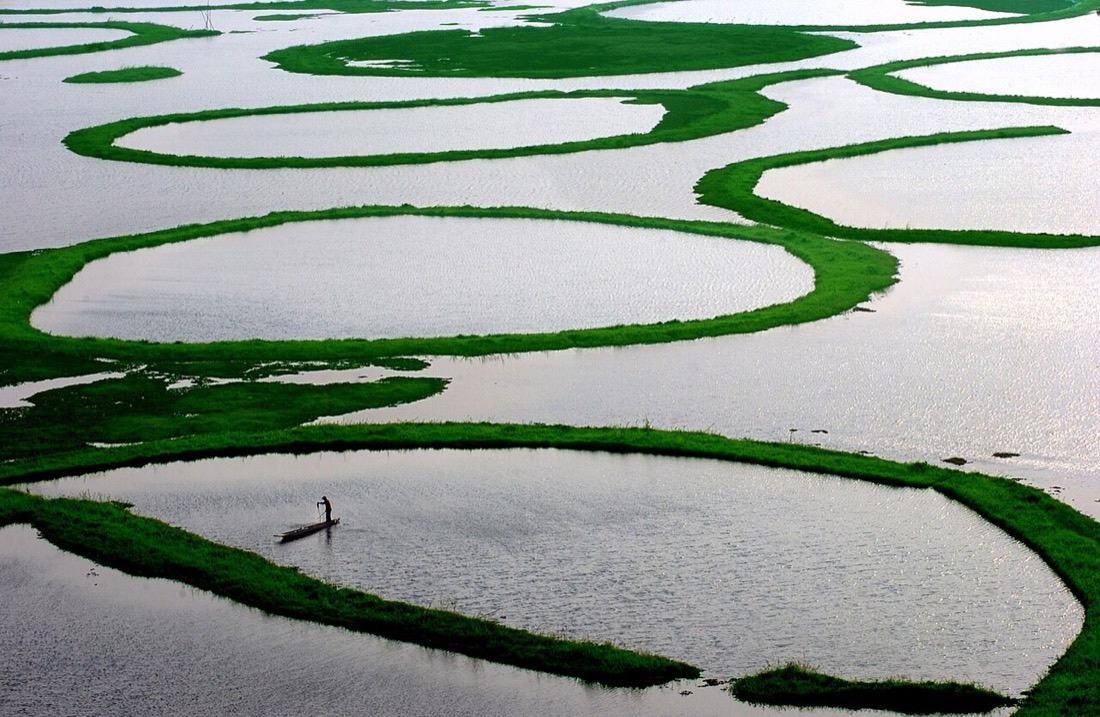
South of Imphal lies Loktak, the largest freshwater lake in Northeast India, and much of it floats. The rings are phumdi (phoom-dee), mats of plants and soil drifting on the water.
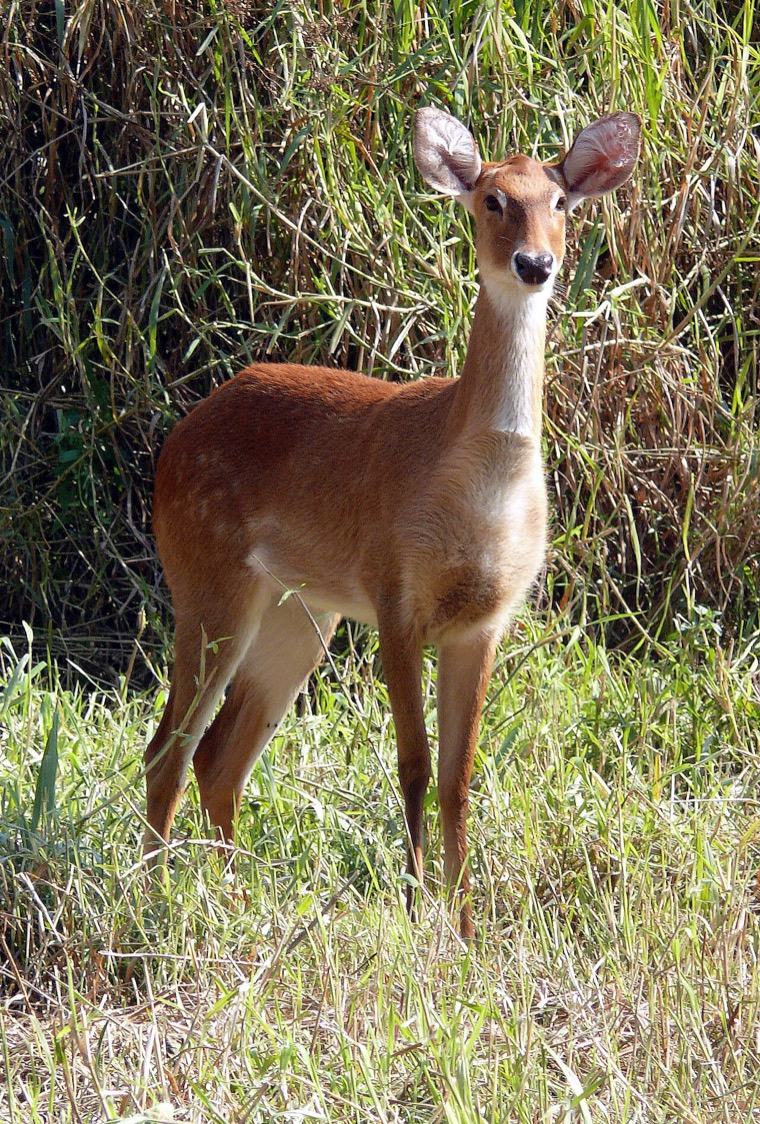
On the biggest phumdi sits Keibul Lamjao, the only floating national park in the world. It is the last wild home of the sangai (sang-gai), Manipur’s brow-antlered deer.
On the shore at Moirang, the Indian National Army raised its flag on 14 April 1944. That spring the Battle of Imphal was fought all around this valley.
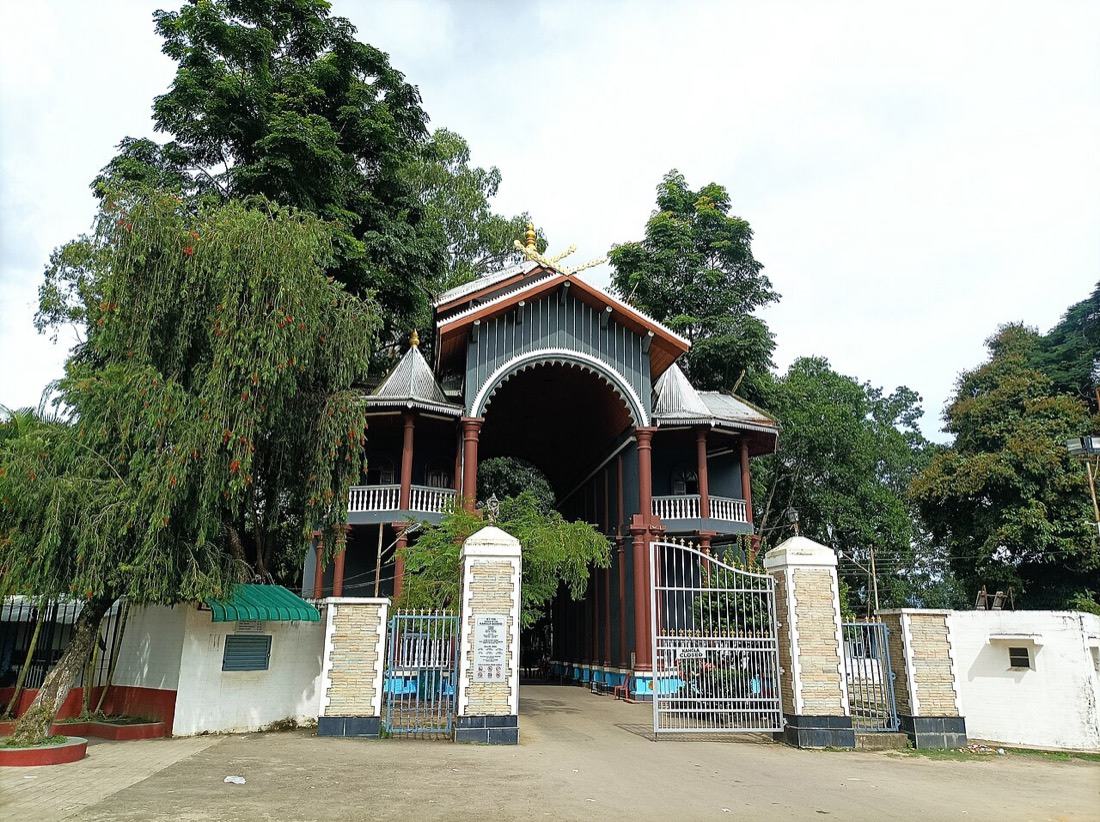
For close to 2,000 years, Kangla was the seat of the Meitei kings. Tradition crowns the first, Nongda Lairen Pakhangba (nong-da lai-ren pa-khang-ba), here in 33 AD.
The court kept a chronicle, the Cheitharol Kumbaba (chay-tha-rol koom-ba-ba), reign after reign. Meitei families still belong to seven clans, the yek salai (yek sa-lai).
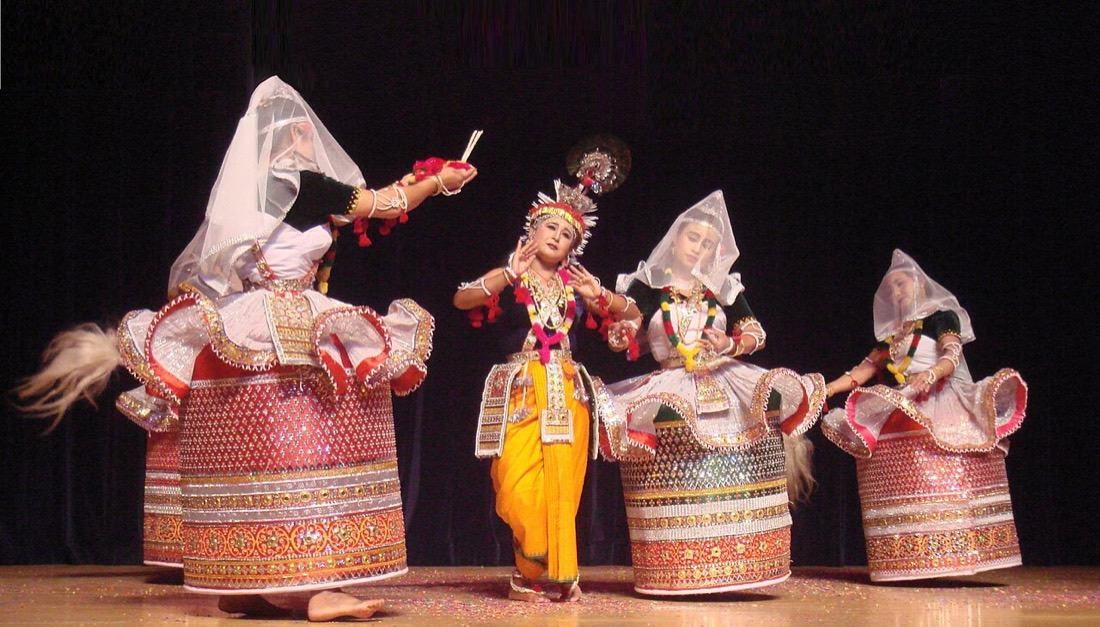
The old faith, Sanamahism (sa-na-ma-hism), fills the valley each year at Lai Haraoba (lai ha-rao-ba), a festival to please more than 300 gods. In the 1700s the court took up Vaishnav Hinduism, which gave Manipur its Ras Lila dance. Meitei Muslims, the Pangal (pan-gal), have lived here since 1606.
Two thousand years on one line
Manipur was a kingdom of its own until 1891, and a princely state until 1949. Here is how a valley kingdom became part of India, and how its language held on.
- 33 AD
By tradition, Nongda Lairen Pakhangba is crowned at Kangla, the first king of the Ningthouja line.
- 1606
The Meitei Pangal, Manipur’s Meitei Muslims, date their community from this year.
- 1700s
King Gharib Niwaz takes up Vaishnav Hinduism, and the Bengali script replaces Meitei Mayek at court.
- 1819 to 1826
Burma occupies Manipur. The Chahi Taret Khuntakpa (cha-hee ta-ret khoon-tak-pa), the seven years of devastation, sends families fleeing west.
- 1891
Manipur fights Britain in the Anglo-Manipur War. Its last stand is remembered every 23 April as Khongjom Day, and Prince Tikendrajit is hanged on 13 August.
- 1904 and 1939
Manipur’s women rise in the Nupi Lan (noo-pee lan), the women’s war, first against forced labor and then against rice being shipped out of the state.
- 1944
The Battle of Imphal is fought around the valley from March to July.
- 1949
On 21 September, in Shillong, the Maharaja signs Manipur into India while held under house arrest. Many Meitei still question that signature.
- 1972
Manipur becomes a full state of India.
- 1980
A modern form of Meitei Mayek is approved for Manipur’s schools.
- 1992
On 20 August, Meiteilon becomes an official language of India.
- 2009
Meitei Mayek joins the Unicode standard, so it can be typed on any phone.
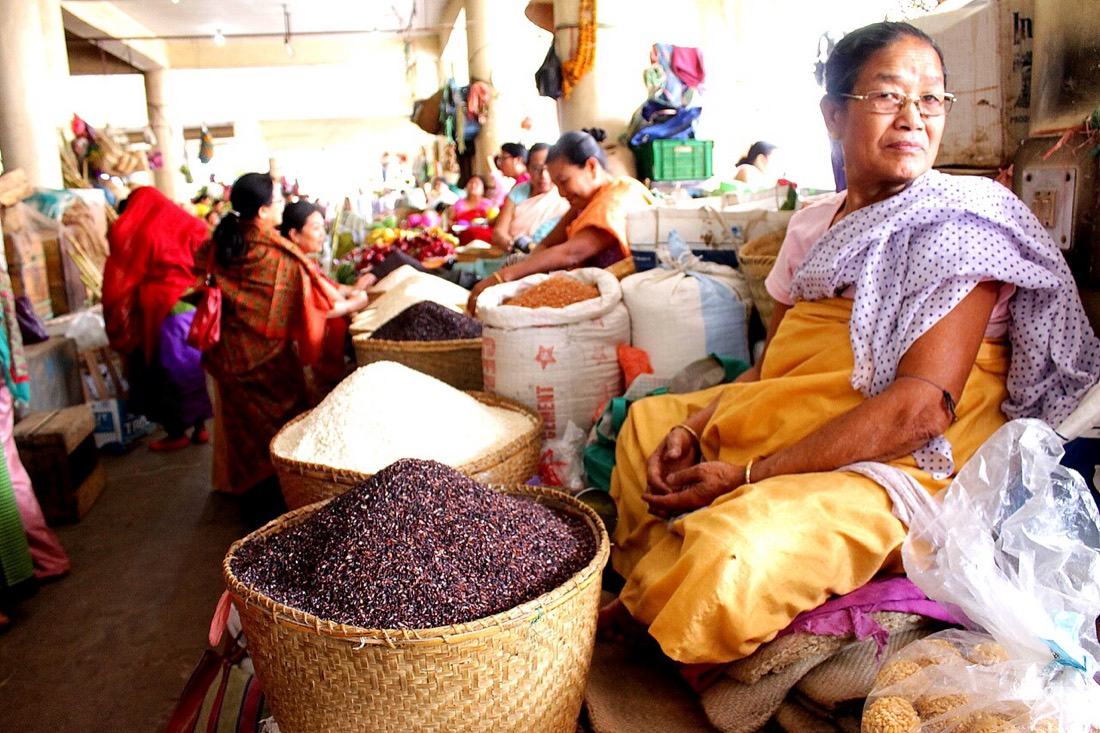
Next door is Ima Keithel (ee-ma kay-thel), the mothers’ market. Its 5,000 to 6,000 traders are all women, and it is often called the largest all-women market in Asia.
Manipur’s women have run more than markets. They led both Nupi Lan (noo-pee lan) uprisings, against forced labor in 1904 and against rice leaving a hungry state in 1939.
An alphabet with a body
Meitei Mayek (may-tay ma-yek) names its letters after parts of the body. The first letter is kok, the head, and the second is sam, the hair. Tap a letter to meet it.
The story goes that when the court turned to Hinduism in the 1700s, the old books, the puya (poo-ya), were burned and Bengali letters took their place. Historians think much of the burning is legend. The memory still drove a movement to bring the old script back.
Manipur approved it for schools in 1980, and it joined Unicode in 2009. Today it is back on signboards all over Imphal.
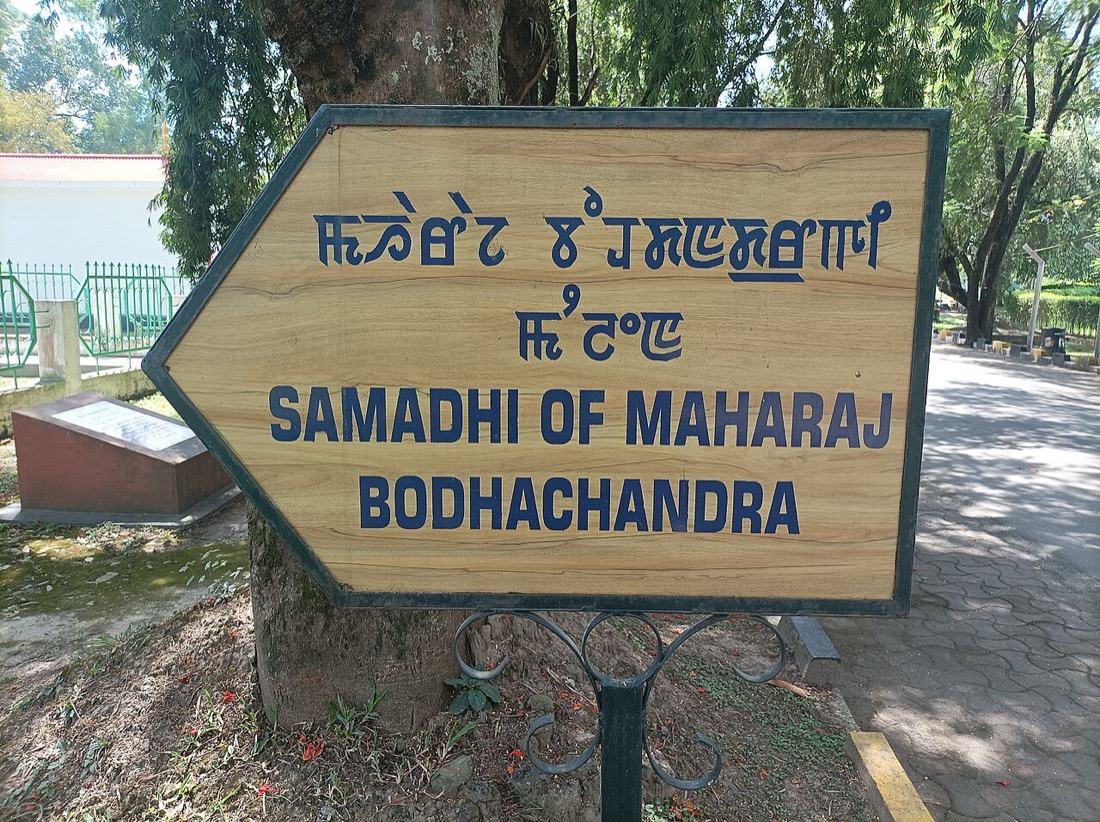
Now follow the water out. The Barak rises in the Senapati hills north of the valley, near the Poumai Naga village of Liyai Khullen. It winds south through the hills and turns north at Tipaimukh.
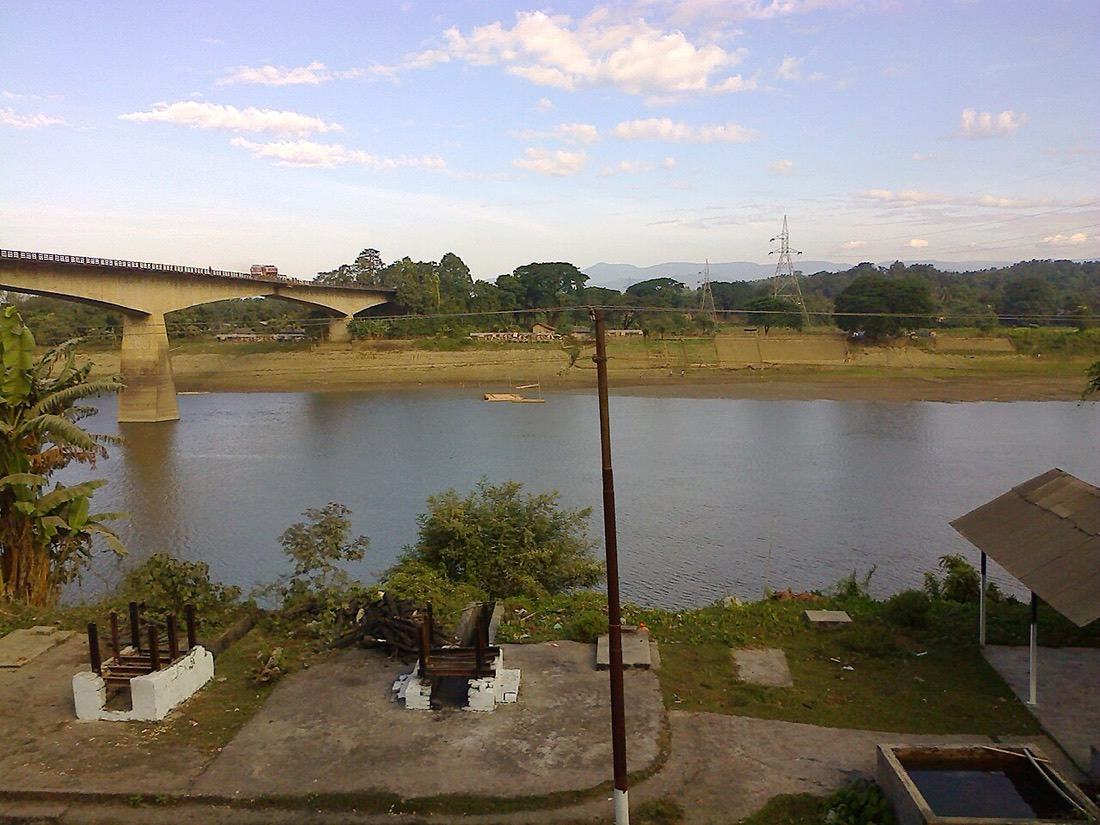
At Jiribam it leaves Manipur. During the seven years of devastation, from 1819 to 1826, this was the way out: the princes and many families fled down the river into Cachar.
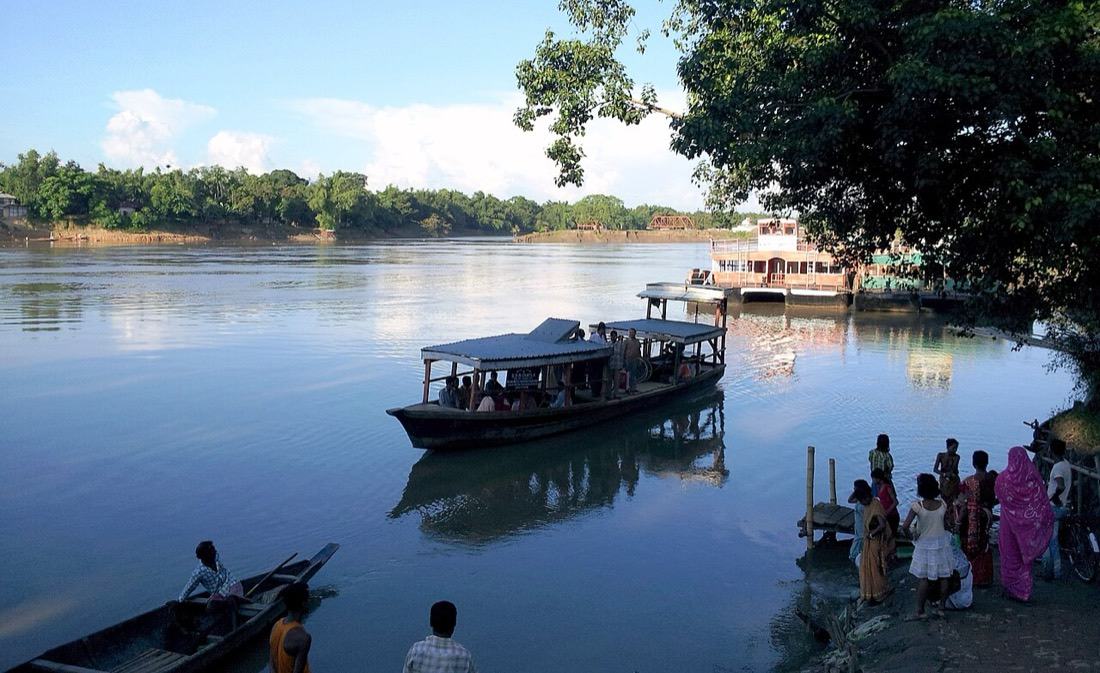
Downriver, the Barak Valley is home to the largest Meitei community outside Manipur. About 6% of Cachar district speaks Meiteilon, and it is an official language of the district alongside Bengali.
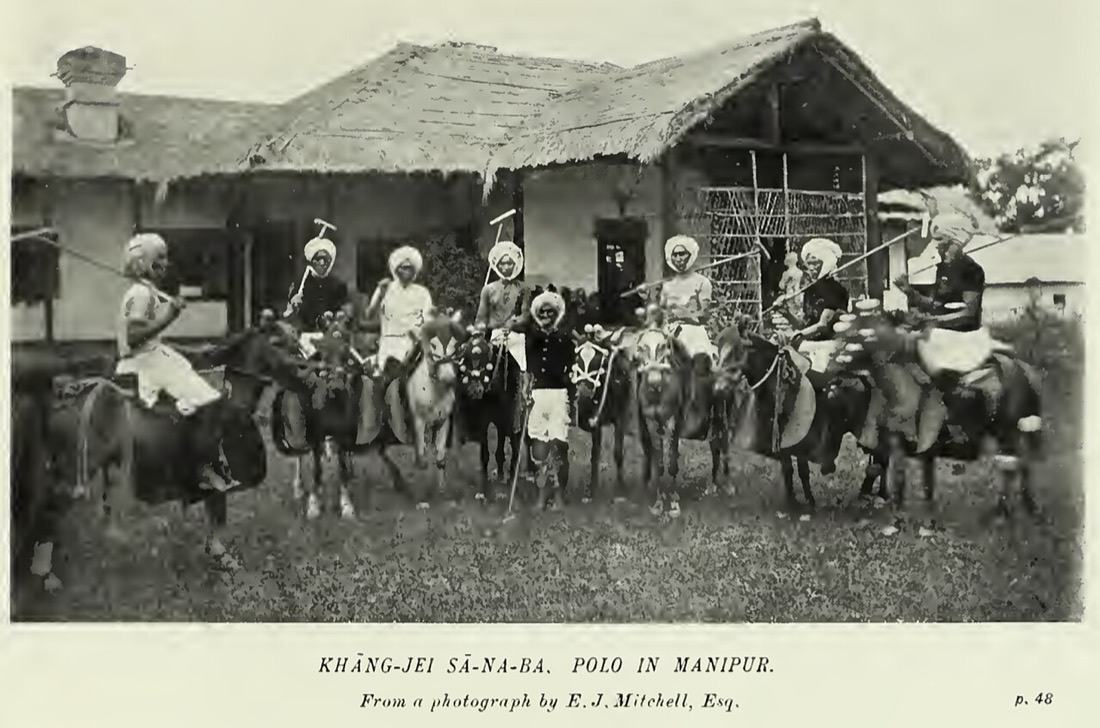
In the 1850s, the British in Silchar watched exiled Manipuri princes play sagol kangjei (sa-gol kang-jay), hockey on horseback. In 1859 they founded the Silchar Kangjei Club, the world’s first polo club. The game went from here to Britain and on around the world.
The language went both ways. Below Silchar the Barak splits into the Surma and the Kushiyara, and Meitei families settled in Tripura and in what is now Bangladesh. The 1947 border cut that community in two.
Others went east over the hills. Meitei have lived along the Chindwin in Myanmar since the 18th century, and the language holds on in the Kabaw Valley towns of Tamu and Kalay.
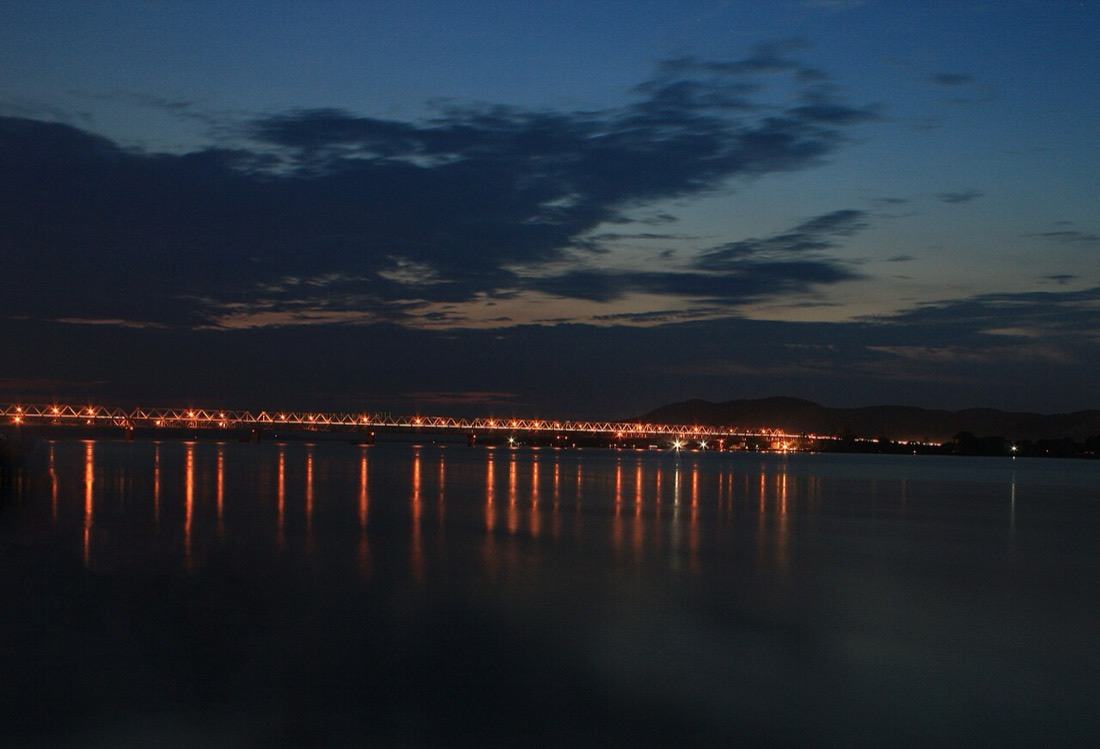
The old routes followed the Barak. Guwahati sits on a different river, the Brahmaputra, and as Assam’s largest city it has drawn a Meitei community of its own.
On the way is Hojai, the main Meitei settlement on the Brahmaputra side of Assam, where Meiteilon is an associate official language of the district.
Saikhom Mirabai Chanu won weightlifting silver at the Tokyo Olympics, and her name says where she is from. Saikhom is a Meitei clan name, and Chanu marks an unmarried woman.
About 1.76 million people speak Meiteilon as their first language. Every 20 August they mark Manipuri Language Day, for the day in 1992 it became an official language of India.
Of some 400 languages in its family, few have a script of their own and a game the whole world plays. Meiteilon has both.
Learn your first Meitei words →Five questions on Manipuri
Question 1 of 5
What are the green rings on Loktak Lake?
Pick an answer to see how you did.
Question 2 of 5
What is each Meitei Mayek letter named after?
Pick an answer to see how you did.
Question 3 of 5
Which river carried Meitei families from Manipur to Silchar?
Pick an answer to see how you did.
Question 4 of 5
What was founded in Silchar in 1859?
Pick an answer to see how you did.
Question 5 of 5
Who led the Nupi Lan uprisings of 1904 and 1939?
Pick an answer to see how you did.
0 of 5 answered so far.