India in 18 days
A first trip you could take for real, day by day from the Red Fort in Delhi to a houseboat in Kerala, with a question at every stop. Answer as you travel and get your score at the end.
India runs about 3,200 km from the Himalaya to its southern tip, and some 1.4 billion people live here, more than in any other country.
This is a first trip you could book as it stands: 18 days in one direction, from Delhi through Rajasthan and down the west coast to the backwaters of Kerala, mostly by train and road. Each stop ends with a question, and your score is waiting at the end.
Land in Delhi, a city of more than 30 million. Give the first day to jet lag and to Old Delhi, where the lanes of Chandni Chowk have been a market since the 1600s.
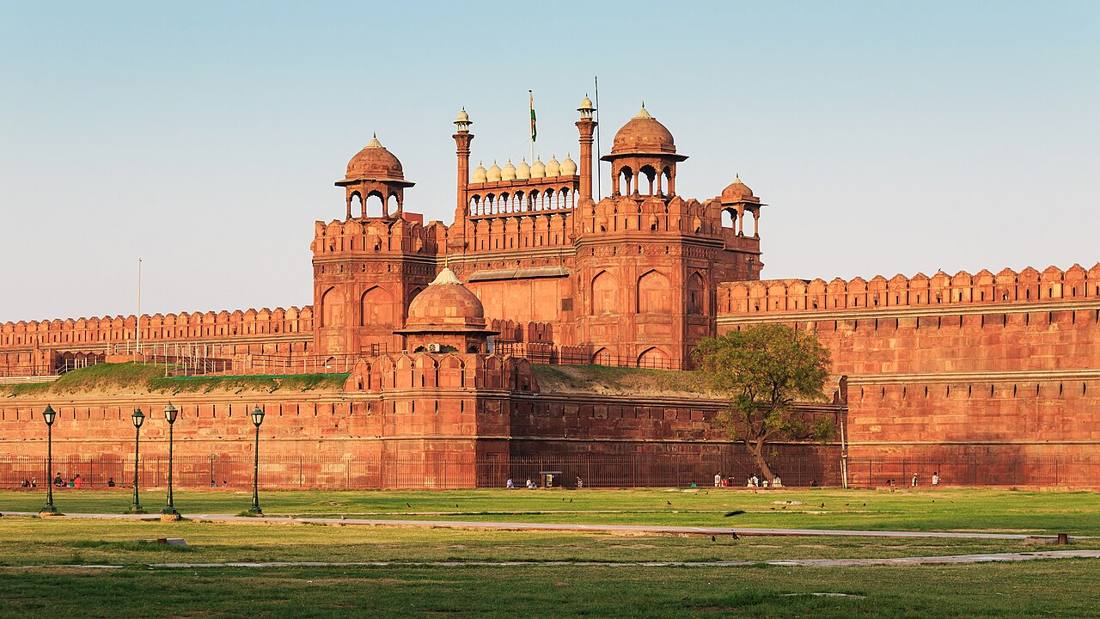
The Red Fort was finished in 1648, when the Mughal emperor Shah Jahan moved his capital here from Agra. Its red sandstone walls run for more than 2 km around the palace inside.
Question 1 of 10
Where does India's prime minister give the Independence Day speech every August 15?
Pick an answer to see how you did.
Catch the early Gatimaan Express and you are in Agra in 100 minutes, with the whole day ahead. One day is enough here, so travel on in the evening or first thing next morning.
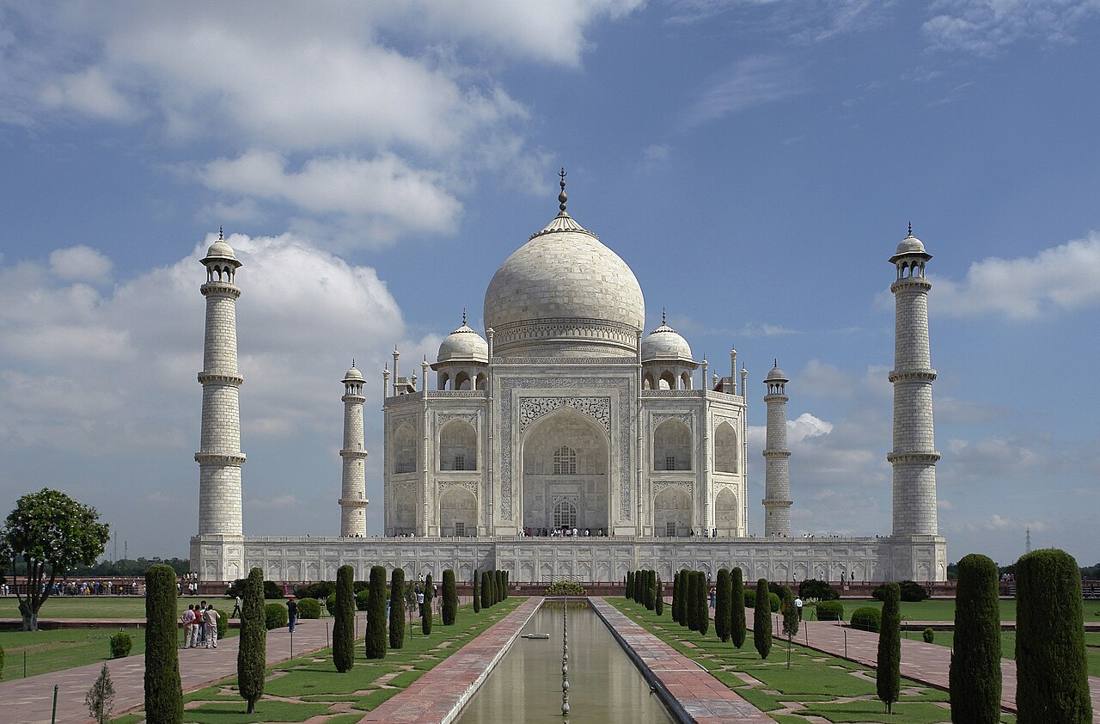
Shah Jahan built the Taj Mahal as a tomb for his wife Mumtaz Mahal, who died in 1631. Some 20,000 workers spent about 20 years on it, and its white marble turns pink and gold as the sun moves.
Question 2 of 10
On which day of the week is the Taj Mahal closed to sightseers?
Pick an answer to see how you did.
Drive west to Jaipur, stopping at Fatehpur Sikri, the red sandstone capital Akbar built in the 1570s. Jaipur itself was laid out on a grid in 1727, one of the first planned cities in India.
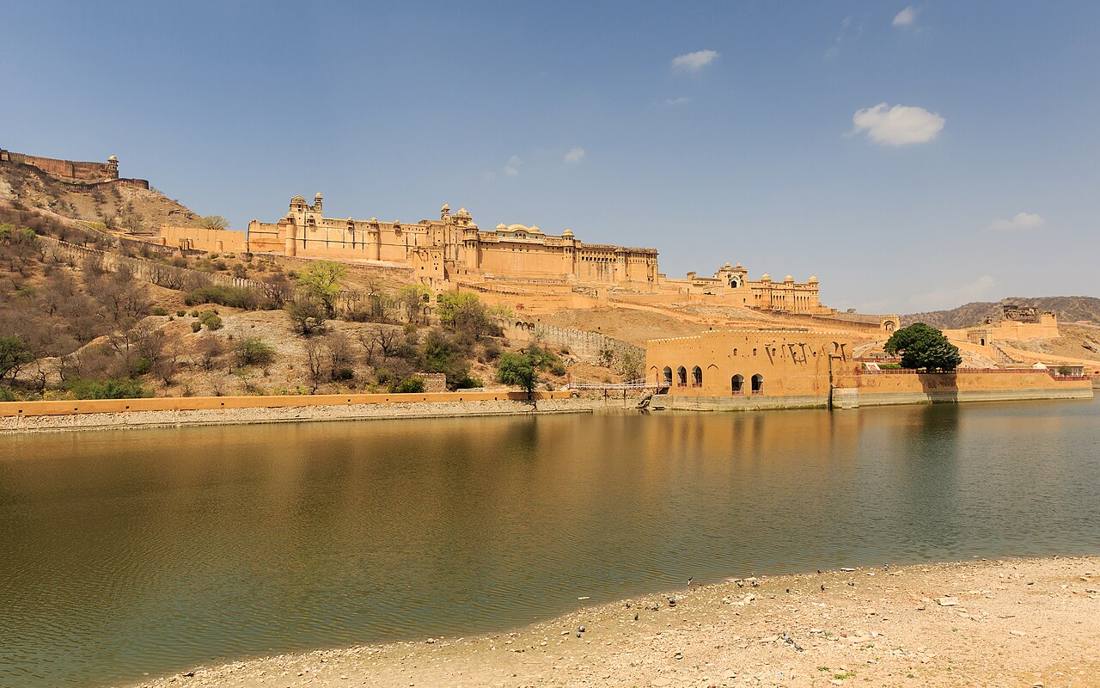
Give a morning to Amber Fort, where the palace of the Rajput kings climbs the hill above Maota Lake. Back in town, the Hawa Mahal is a pink honeycomb of 953 windows, built so royal women could watch the street unseen.
Question 3 of 10
Why is the old city of Jaipur painted pink?
Pick an answer to see how you did.
A day’s train ride southwest brings you to Udaipur, built around a chain of lakes in the Aravalli hills. Many travelers call it the most romantic city in India.
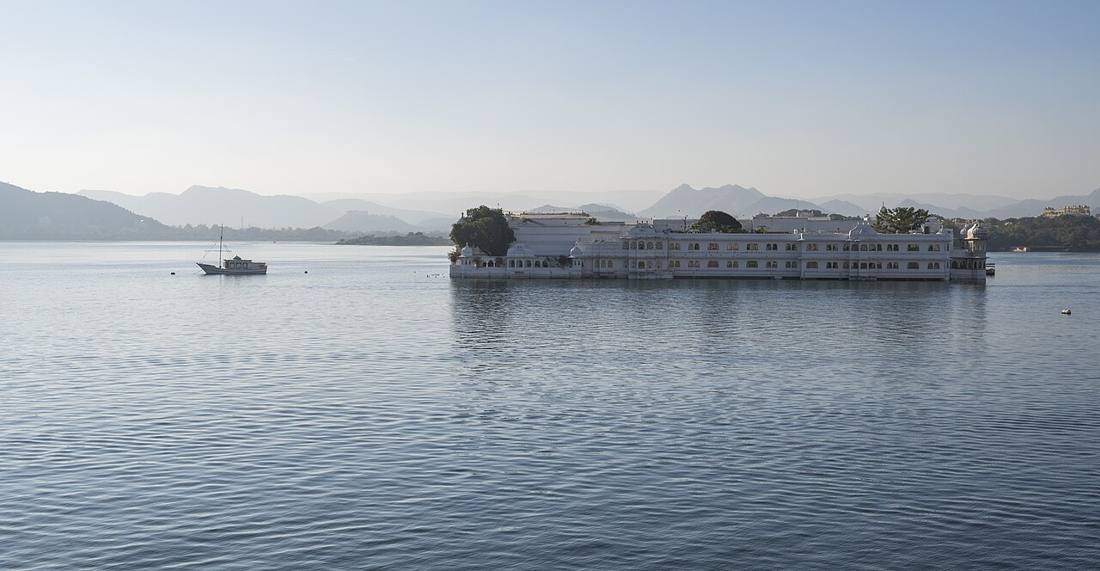
The City Palace runs for almost 250 meters along the shore of Lake Pichola. Out on the water sits the white Lake Palace, a royal summer retreat that is now a hotel you reach by boat.
Question 4 of 10
The Lake Palace starred in which James Bond film?
Pick an answer to see how you did.
Take the one short flight of the trip to Mumbai, India’s biggest city, home of Bollywood and of Asia’s oldest stock exchange, trading since 1875.
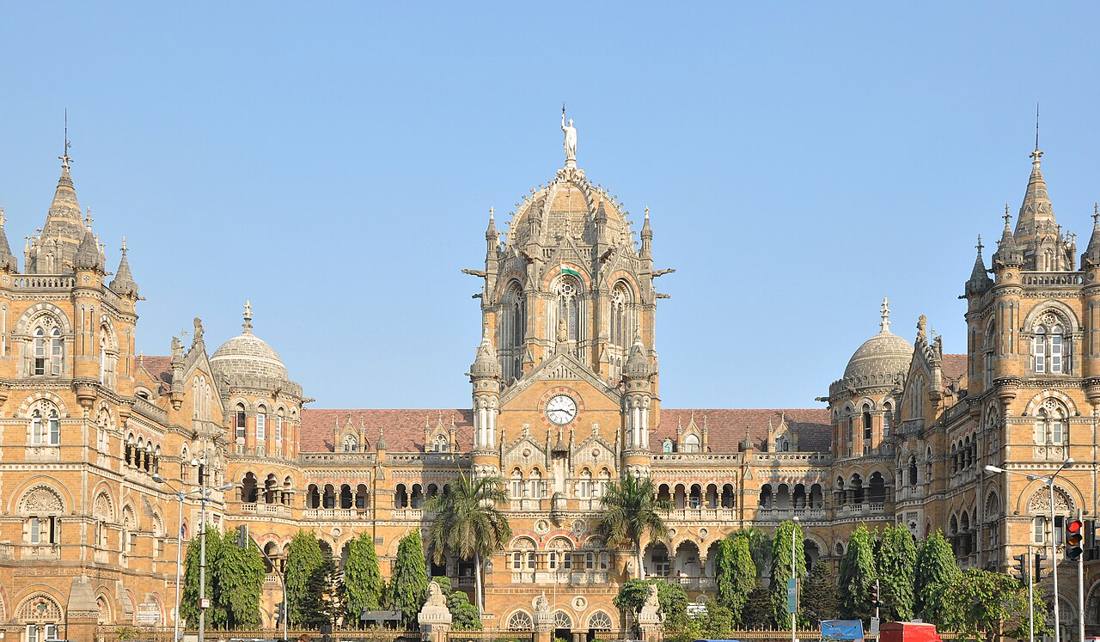
Victoria Terminus, now Chhatrapati Shivaji Terminus, was finished in 1888 and is still one of the busiest stations in India. A short walk south, the Gateway of India looks out over the harbor.
Question 5 of 10
Mumbai's dabbawalas deliver home-cooked lunches to offices across the city. About how many a day?
Pick an answer to see how you did.
Ride the Konkan Railway down the coast, through about 90 tunnels and over some 2,000 bridges between the mountains and the sea. At the end of it is Goa, India’s smallest state and the place the whole country goes to the beach.
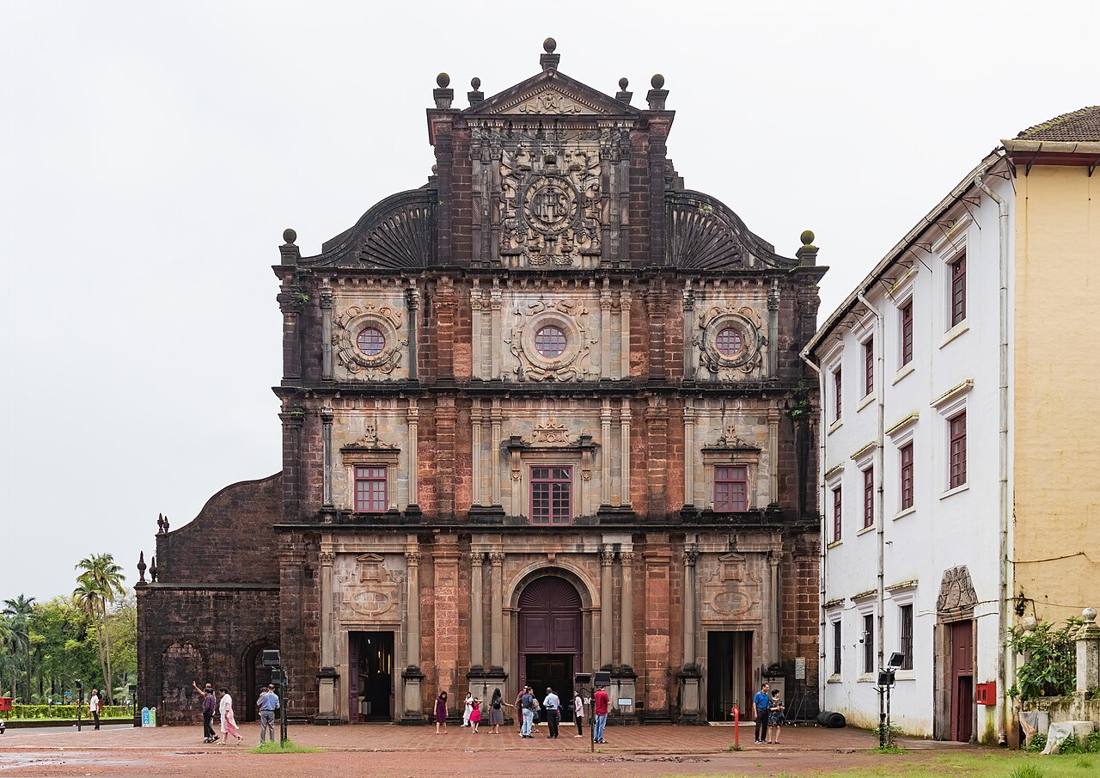
Inland, Old Goa was once one of the richest cities in Asia. The Basilica of Bom Jesus, finished in 1605, holds the remains of Saint Francis Xavier and is a World Heritage Site with the churches around it.
Question 6 of 10
Goa joined India in 1961. Which country had ruled it until then?
Pick an answer to see how you did.
An overnight bus climbs onto the Deccan Plateau to Hampi, where giant granite boulders lie piled across the land between banana groves and the Tungabhadra River.
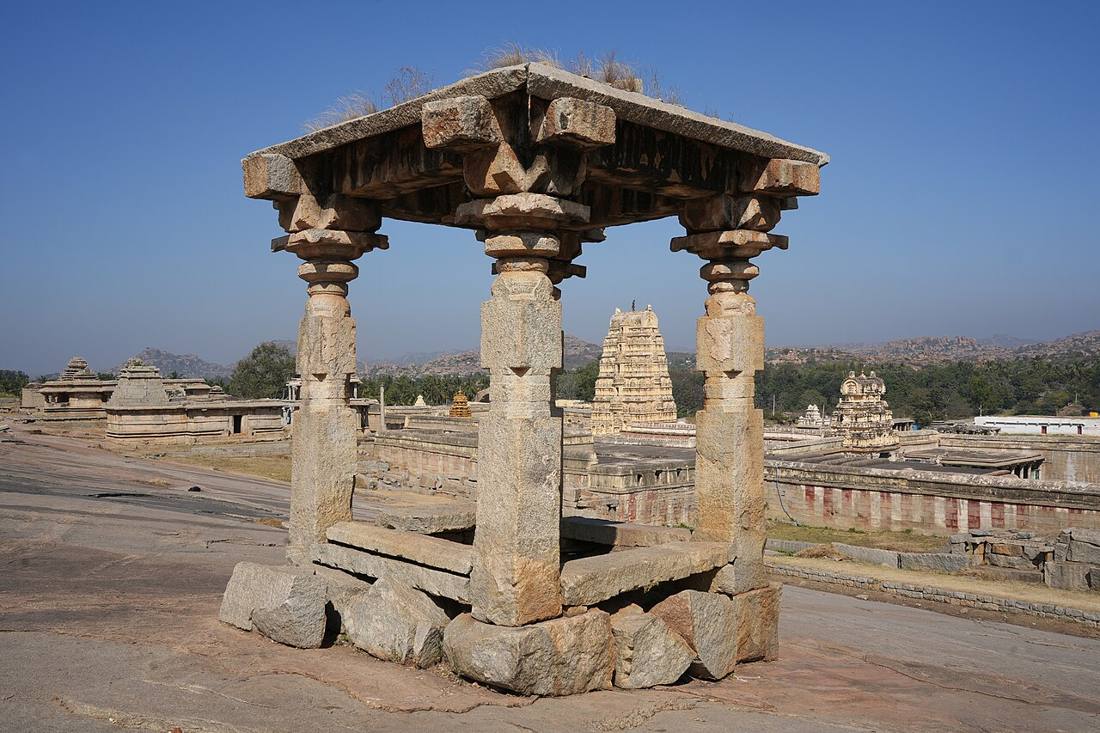
Among them stand more than 1,600 monuments of a capital that once held some half a million people. The Virupaksha Temple has been in worship for more than 1,300 years, and its gate tower rises about 50 meters.
Question 7 of 10
Around 1500, Hampi was one of the biggest cities on Earth. It was the capital of which empire?
Pick an answer to see how you did.
The Hampi Express runs overnight to Mysuru, the old royal capital of the south, famous for its silk and for the ten days of Dasara every autumn.
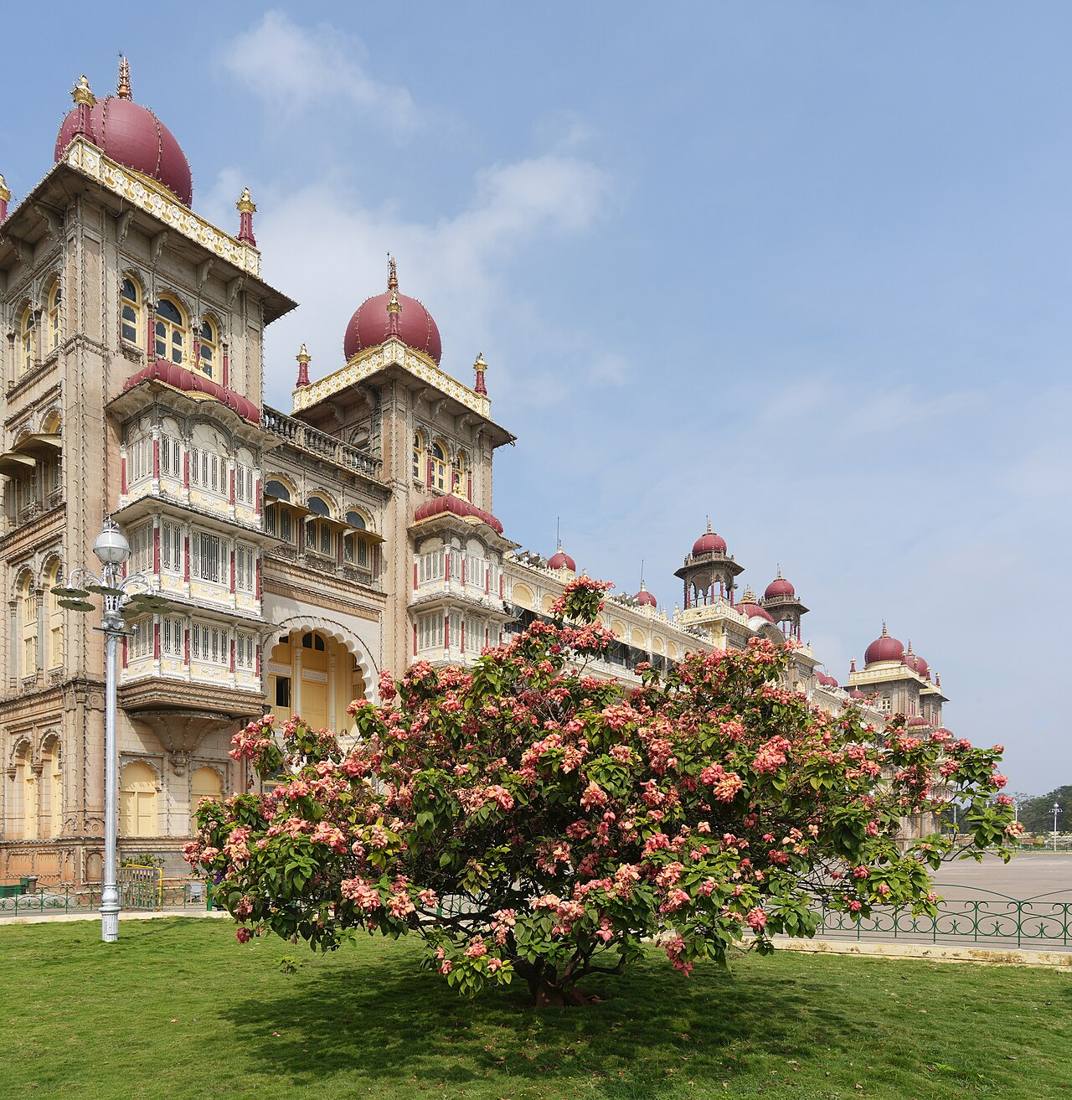
Mysore Palace was rebuilt between 1897 and 1912, after the old wooden palace burned down. With several million visitors a year, it is one of the most visited sights in India.
Question 8 of 10
On Sunday evenings Mysore Palace is lit up for 45 minutes. About how many light bulbs does it take?
Pick an answer to see how you did.
Drive over the Western Ghats, the forested mountains that catch the monsoon, and down to Kochi on the coast of Kerala. Traders from as far away as China and Europe came to this port for its pepper.
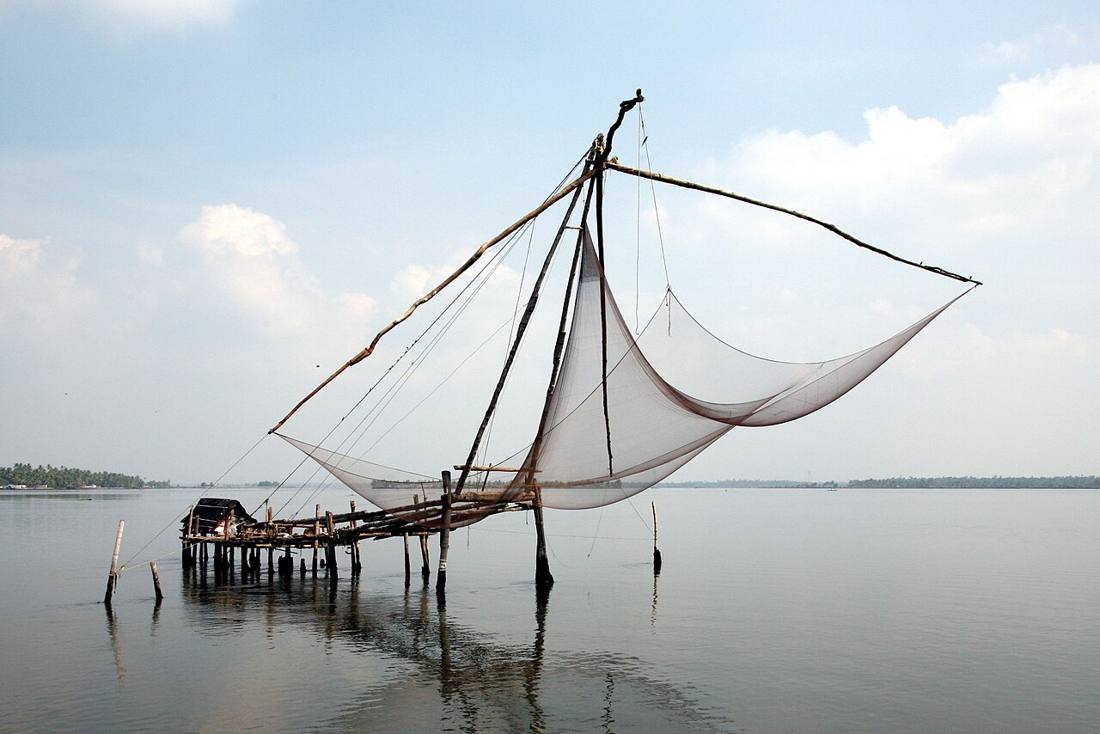
On the beach at Fort Kochi, teams of fishermen still work the giant Chinese fishing nets, lowering them into the water and lifting them out again with rocks hung as counterweights.
Question 9 of 10
Which European explorer died in Kochi and was first buried in St. Francis Church?
Pick an answer to see how you did.
End with an hour and a half south to Alappuzha and the backwaters, some 900 km of canals, rivers and lakes that run along behind the coast.
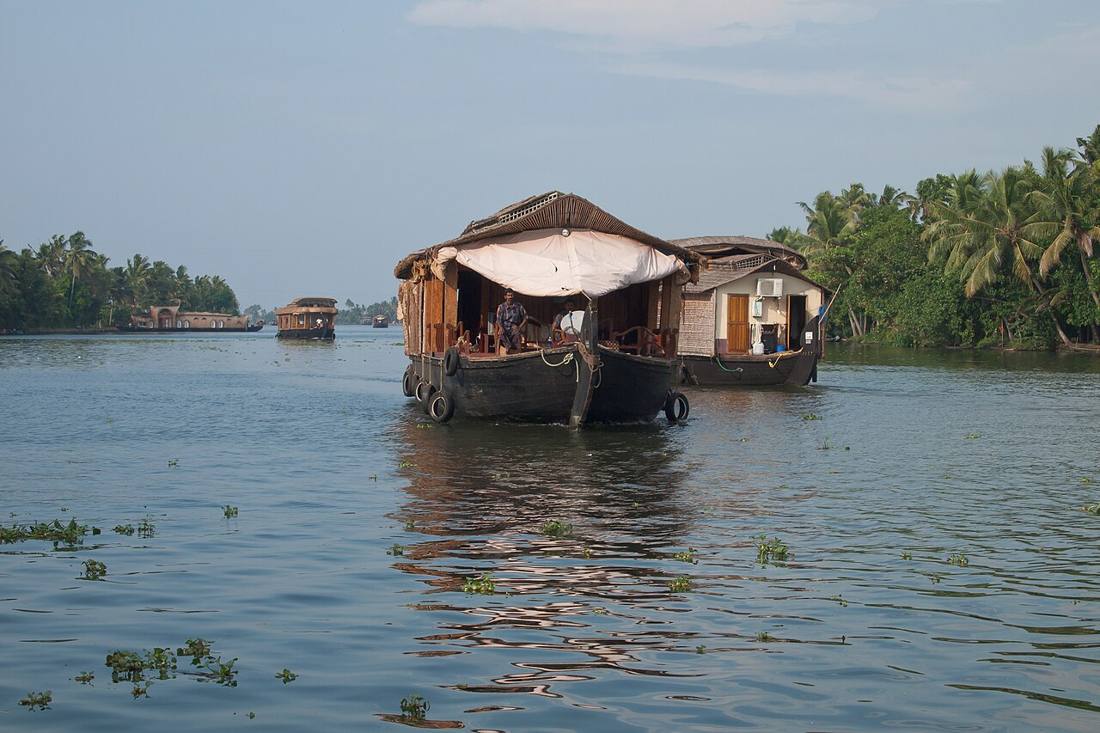
Spend the last night on a houseboat, drifting past villages and rice fields. In Kuttanad, around the lake, farmers grow rice below sea level, one of very few places in the world where that is done.
Question 10 of 10
Before they carried tourists, what did the houseboats of the backwaters carry?
Pick an answer to see how you did.
That was 18 days and about 2,702 km, in one line from north to south. Varanasi on the Ganges and the high Himalaya are still waiting for the next trip.
Time to see how you did.
0 of 10
You have not answered any questions yet. Scroll back up, and there is one waiting at every stop.
- Red FortDays 1–2 · DelhiNot answered yet
- Taj MahalDay 3 · AgraNot answered yet
- Amber FortDays 4–5 · JaipurNot answered yet
- Lake PicholaDays 6–7 · UdaipurNot answered yet
- Victoria TerminusDays 8–9 · MumbaiNot answered yet
- Old GoaDays 10–11 · GoaNot answered yet
- HampiDays 12–13 · HampiNot answered yet
- Mysore PalaceDay 14 · MysuruNot answered yet
- Fort KochiDays 15–16 · KochiNot answered yet
- The backwatersDays 17–18 · AlappuzhaNot answered yet